Φως Φαναρίου
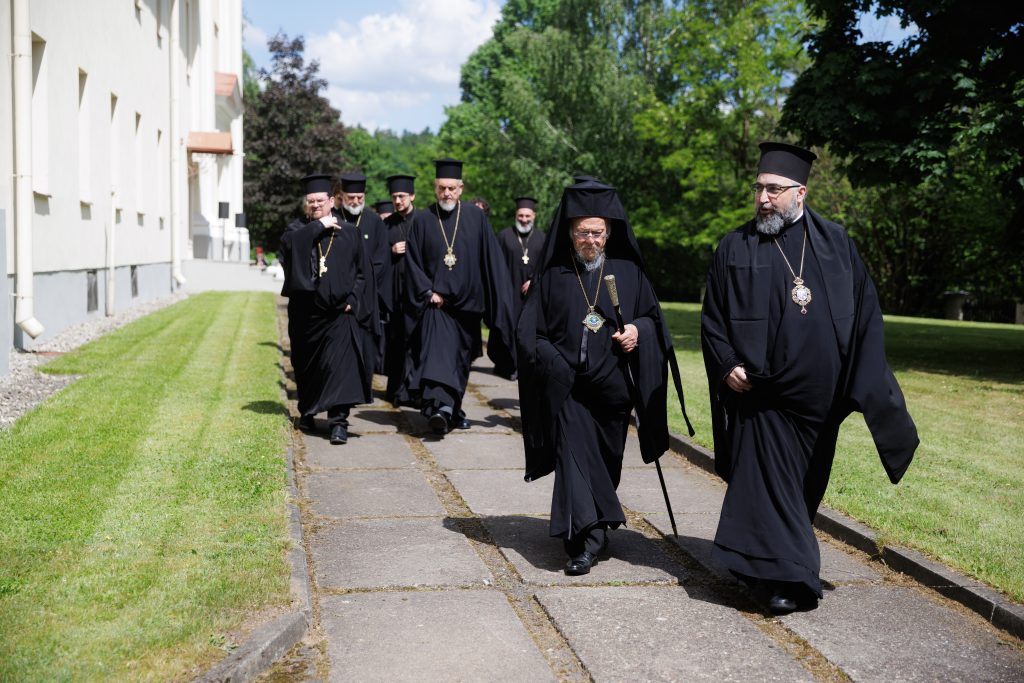
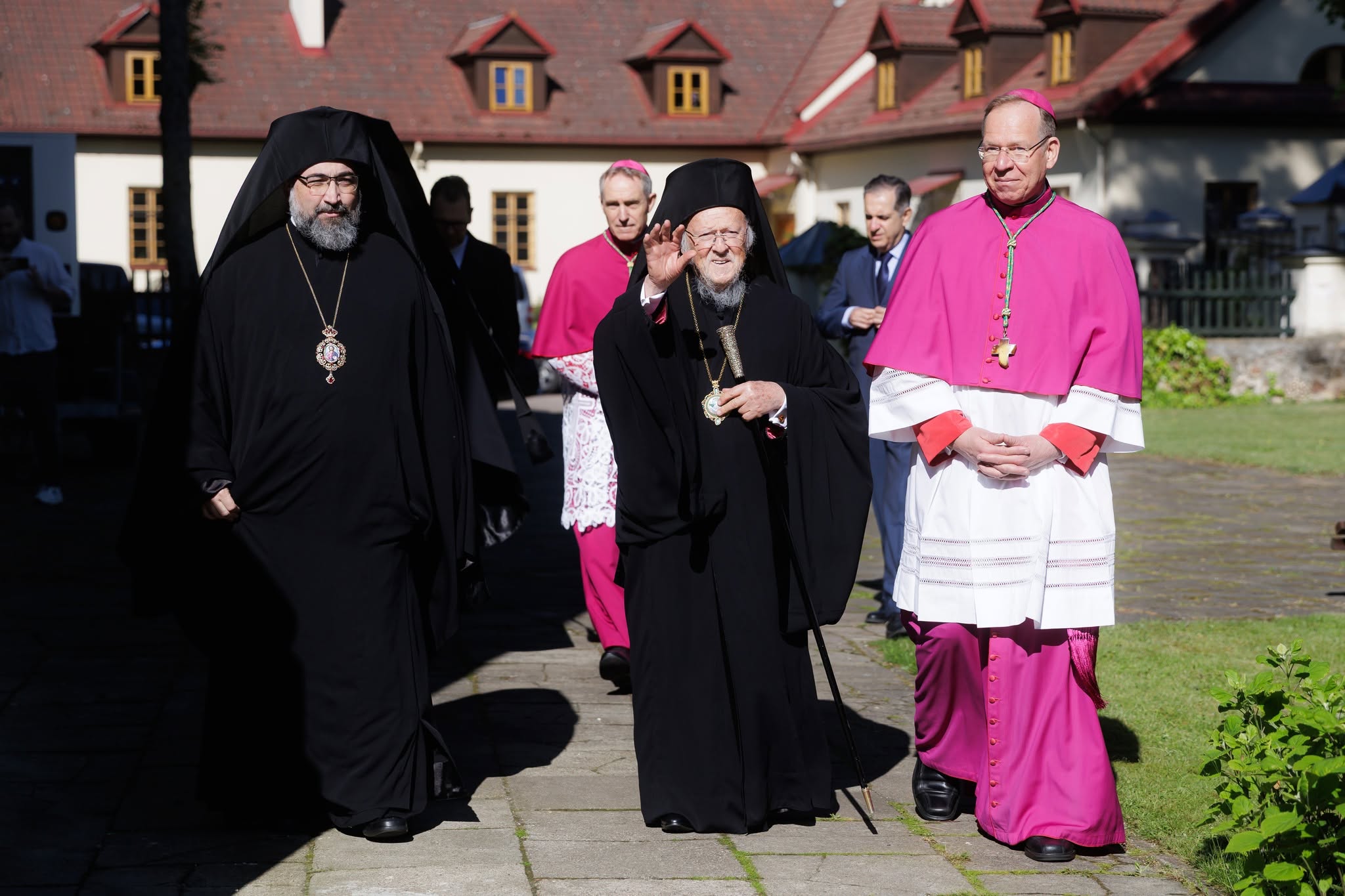
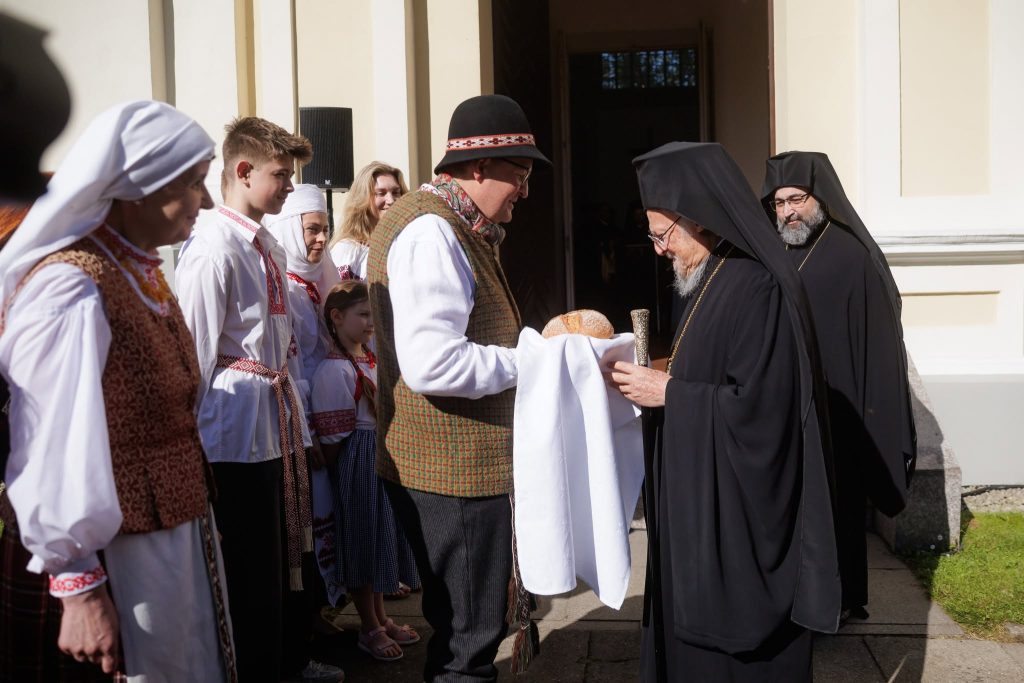
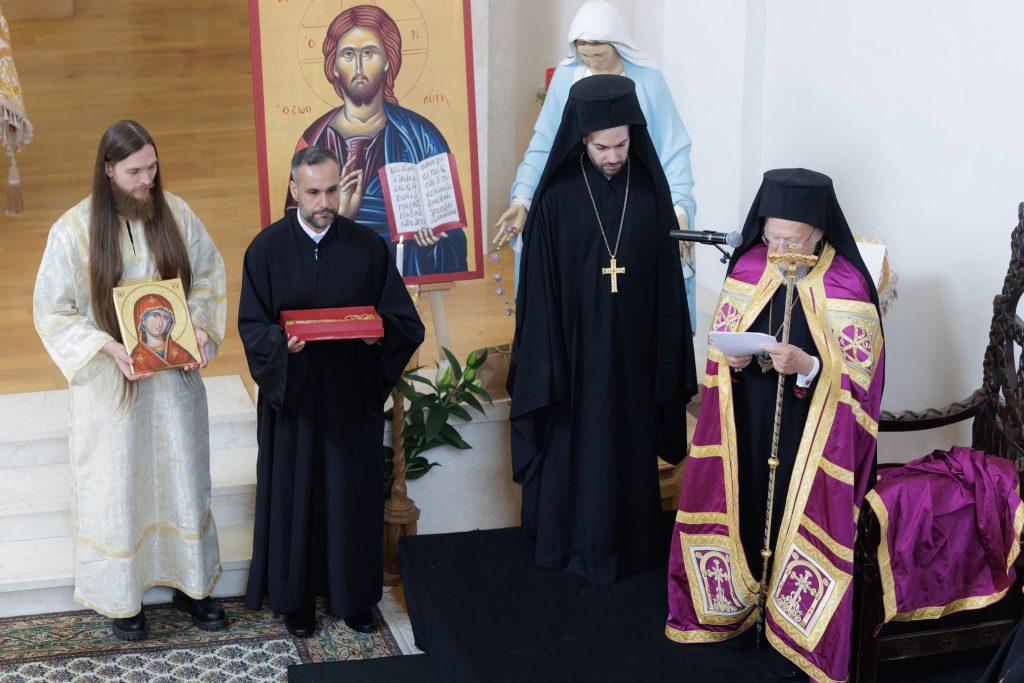
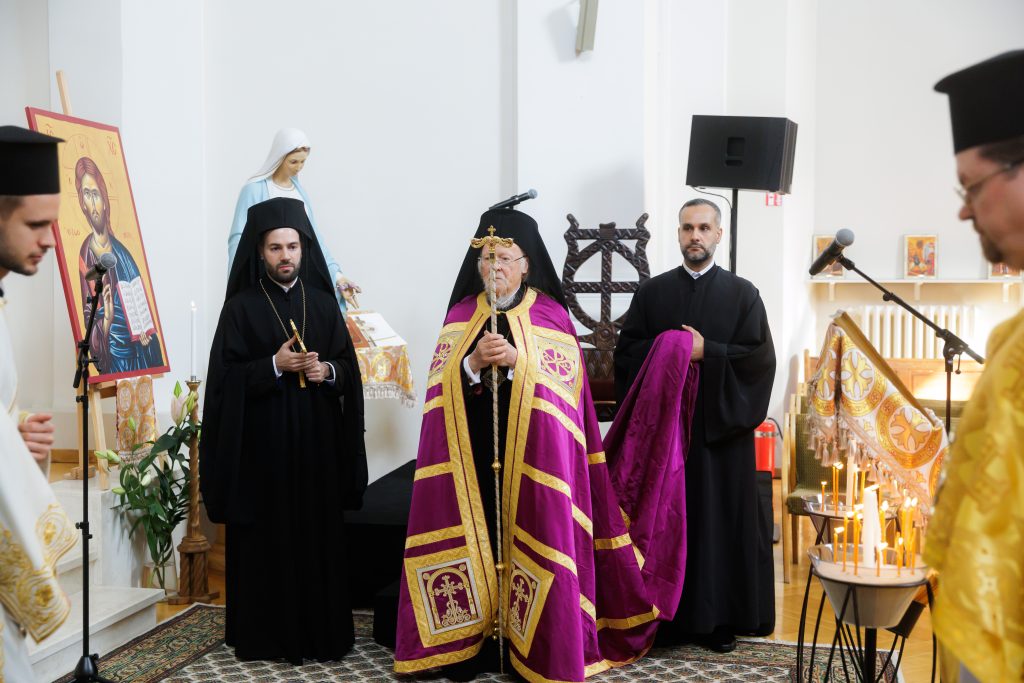
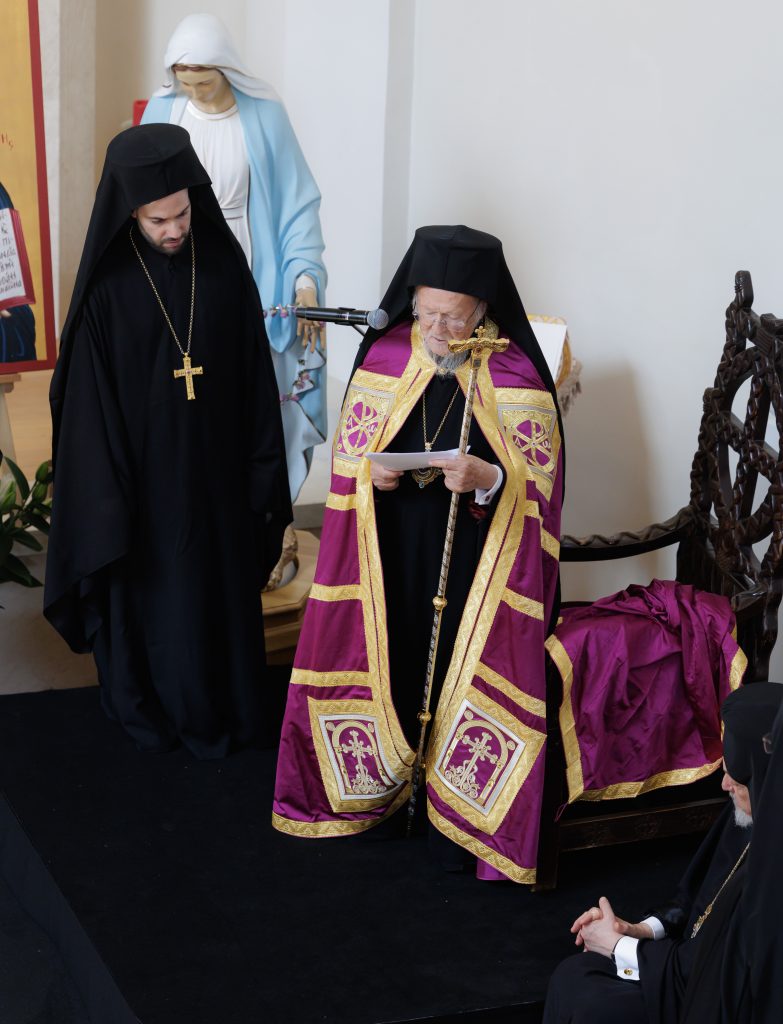
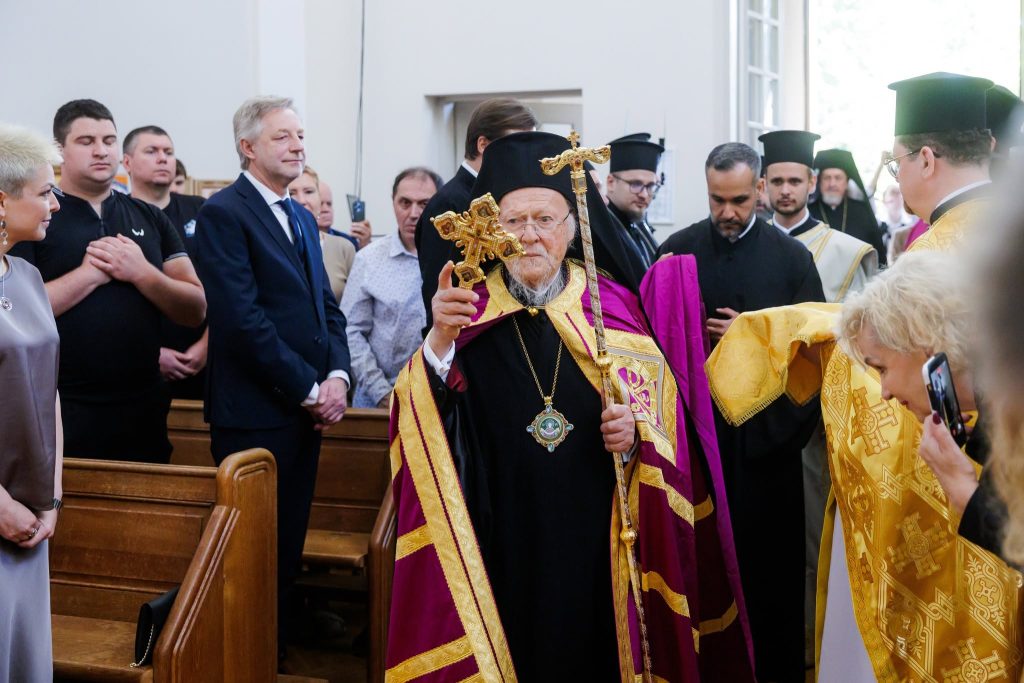
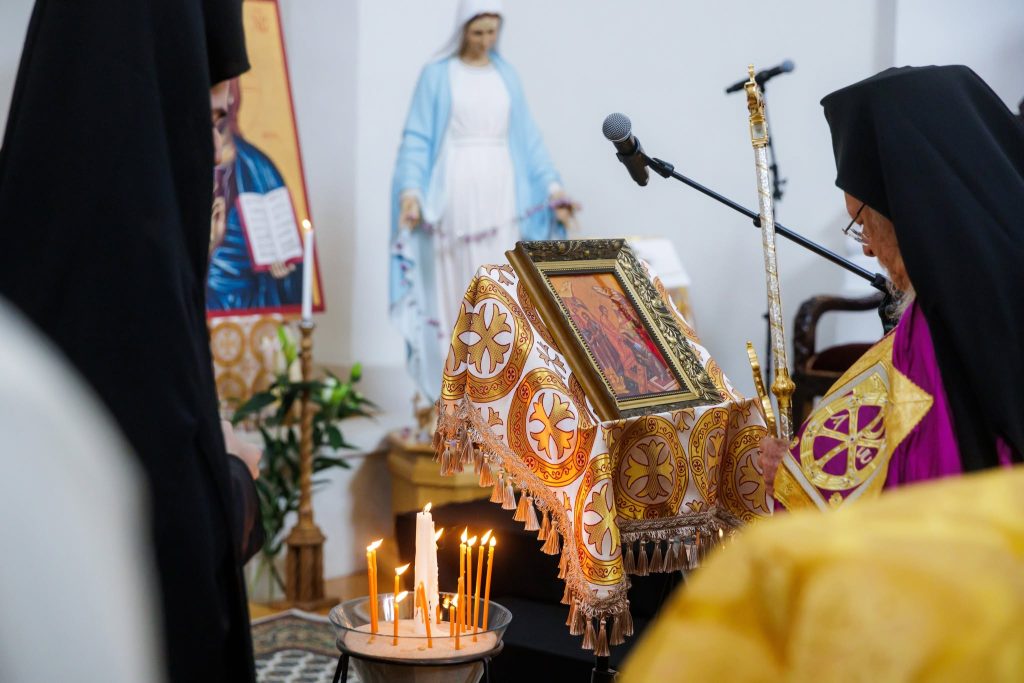
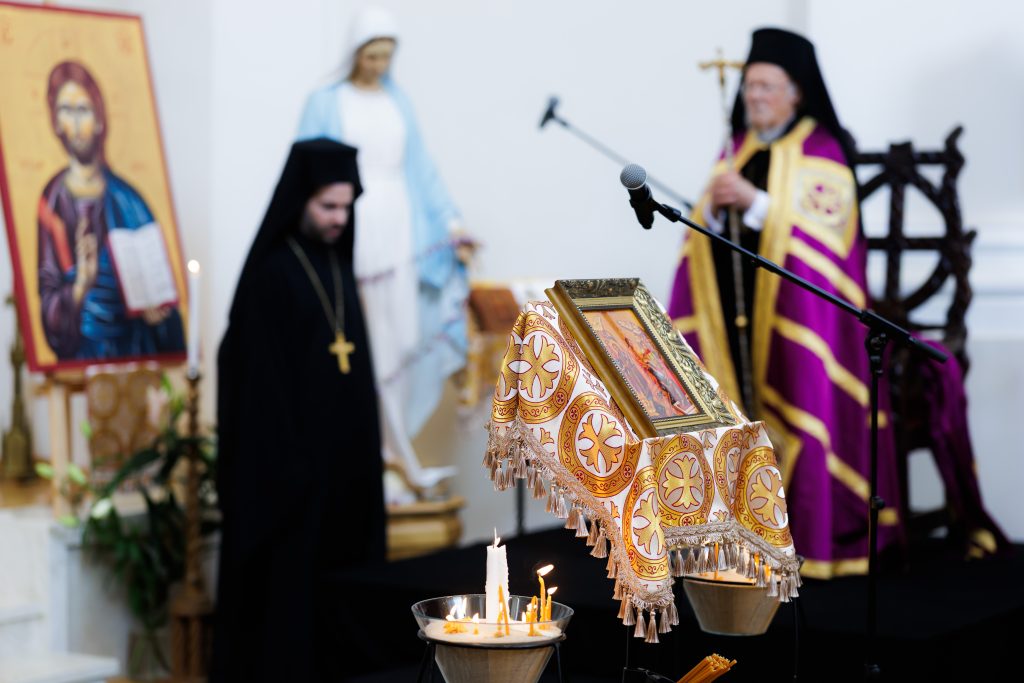
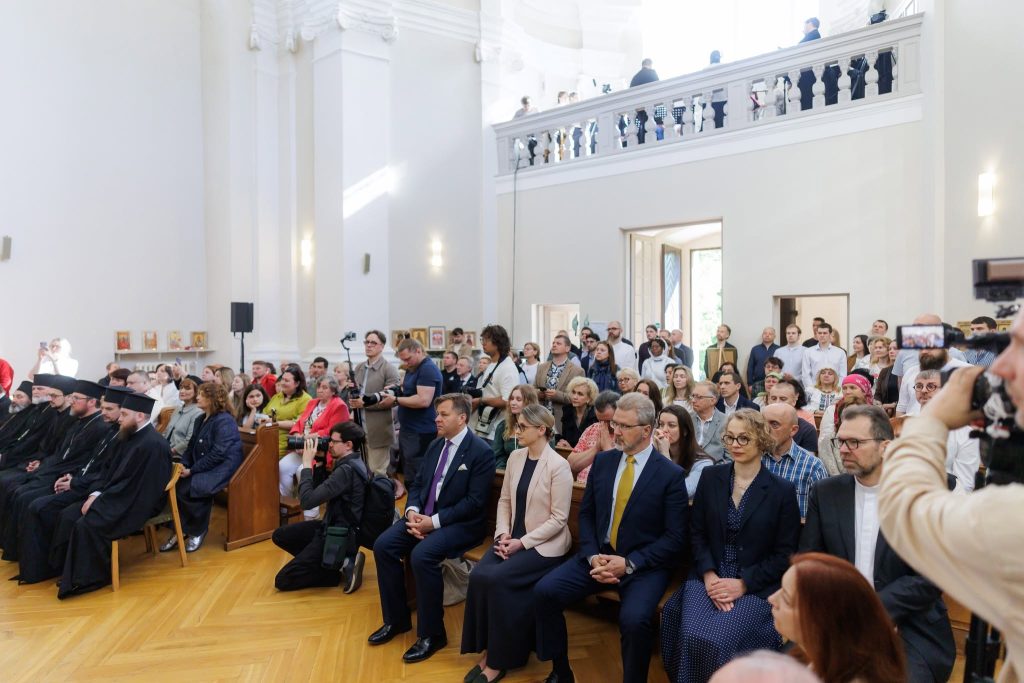
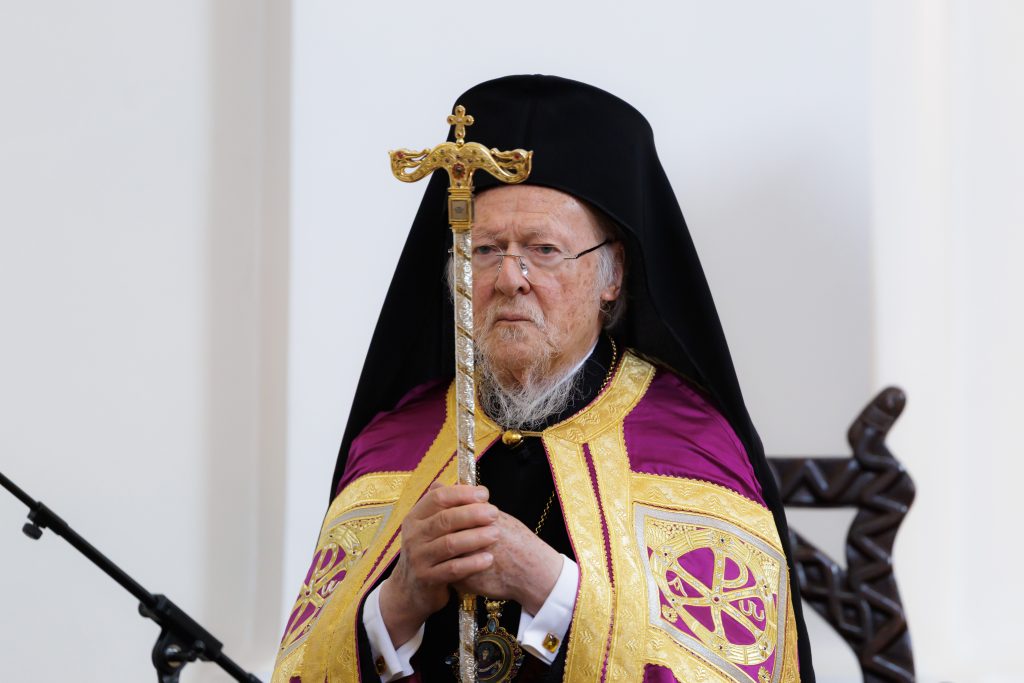
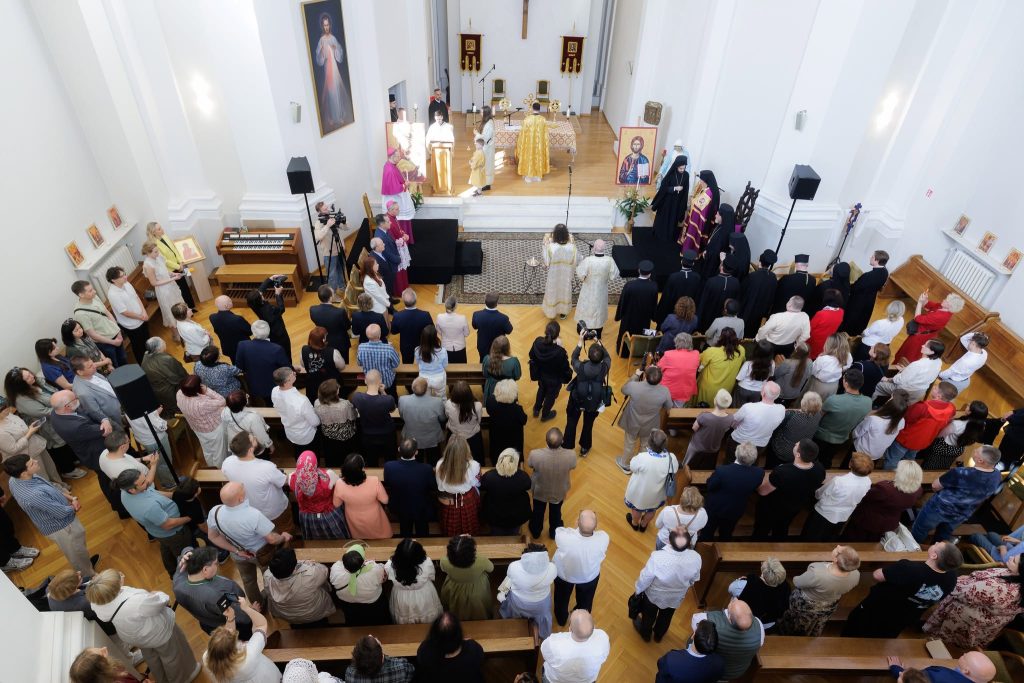
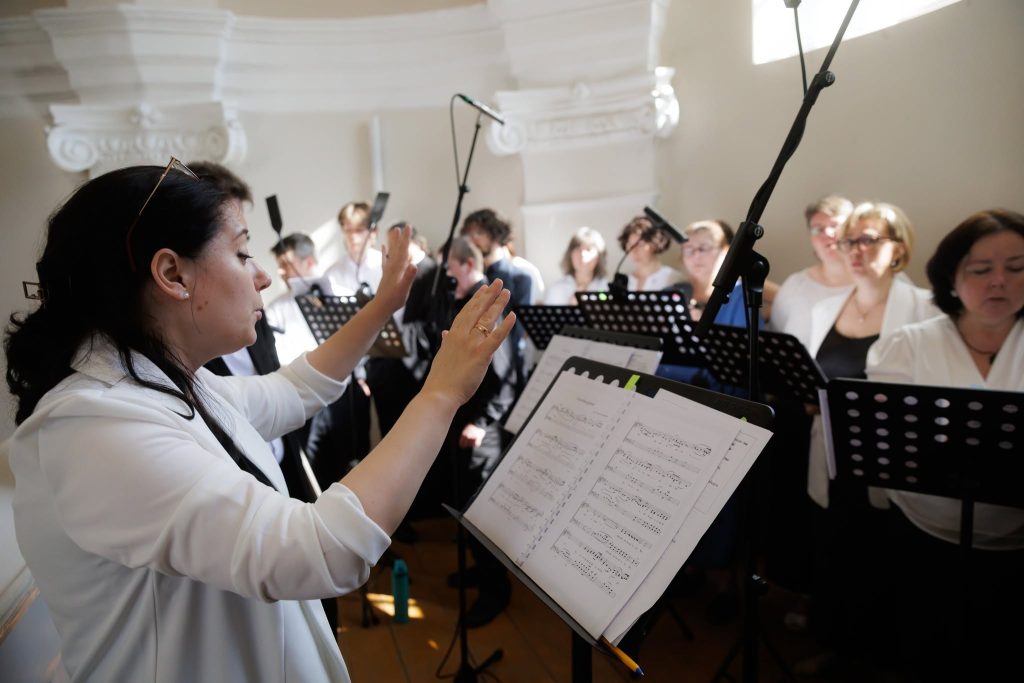
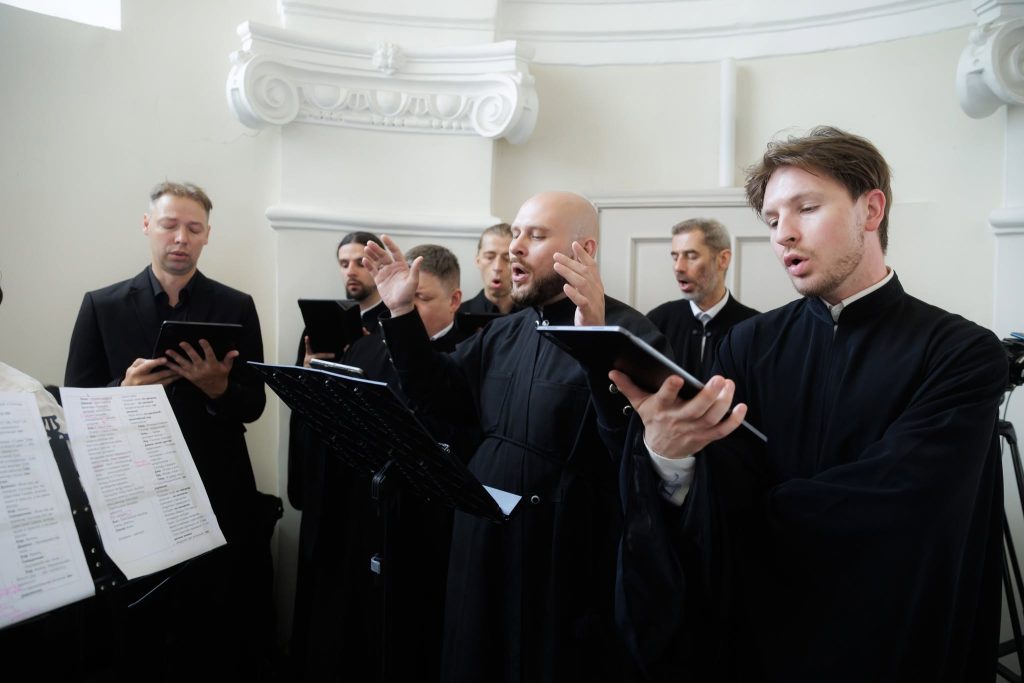
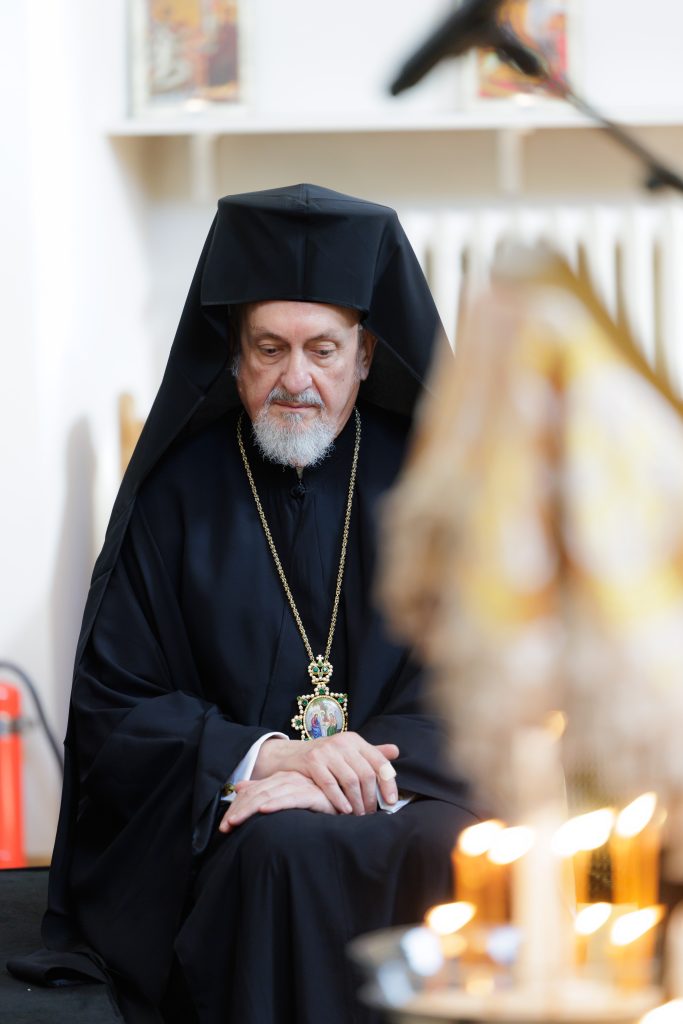
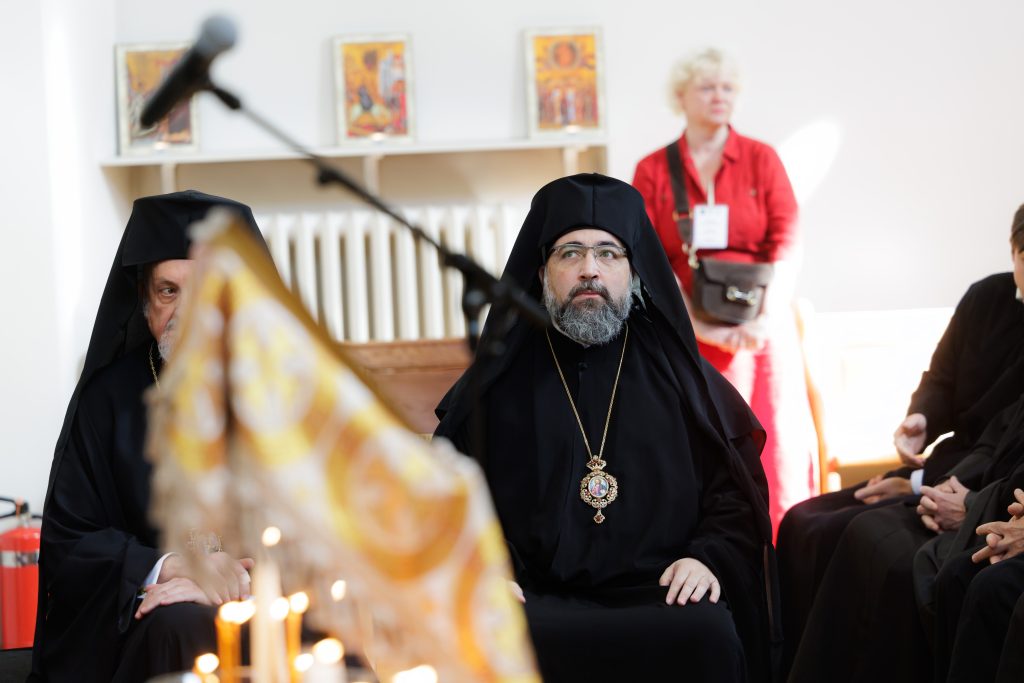
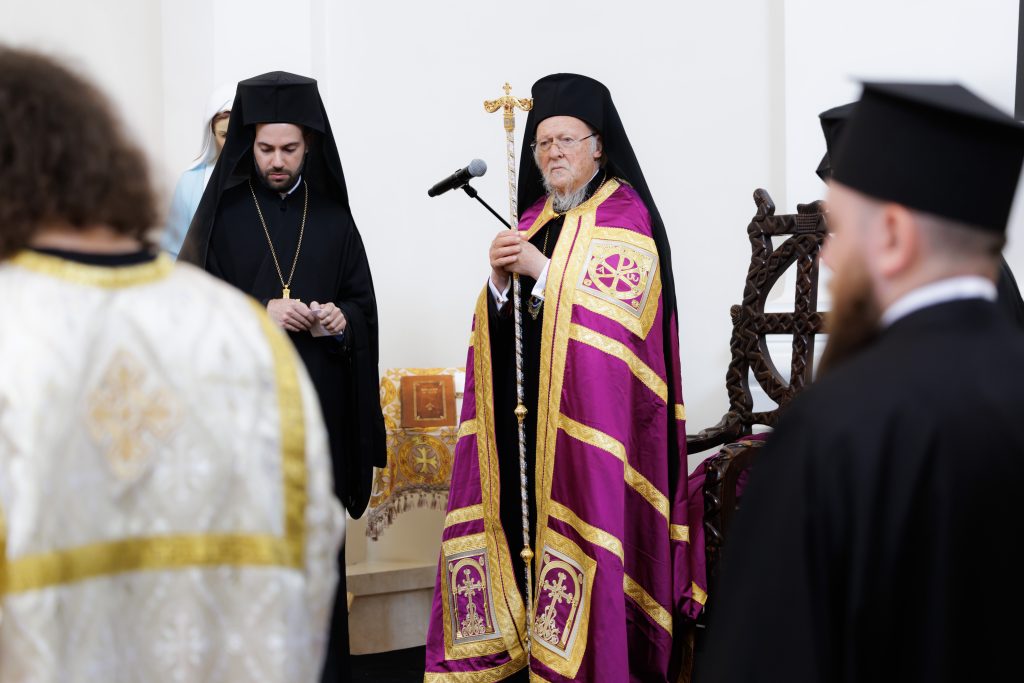
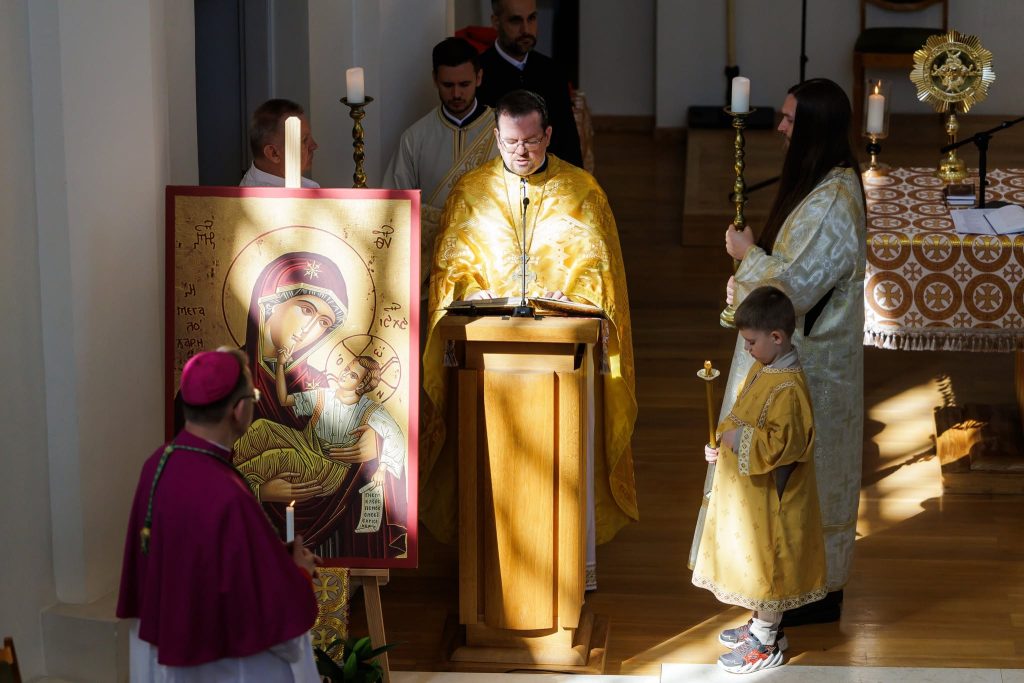
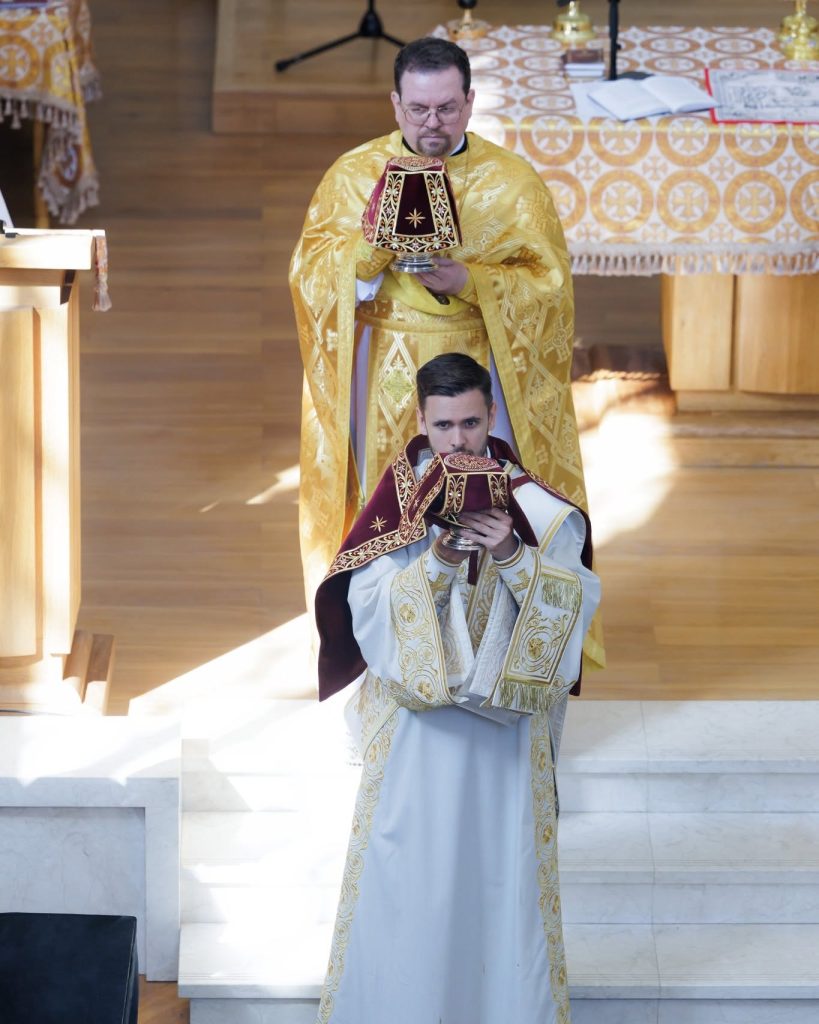
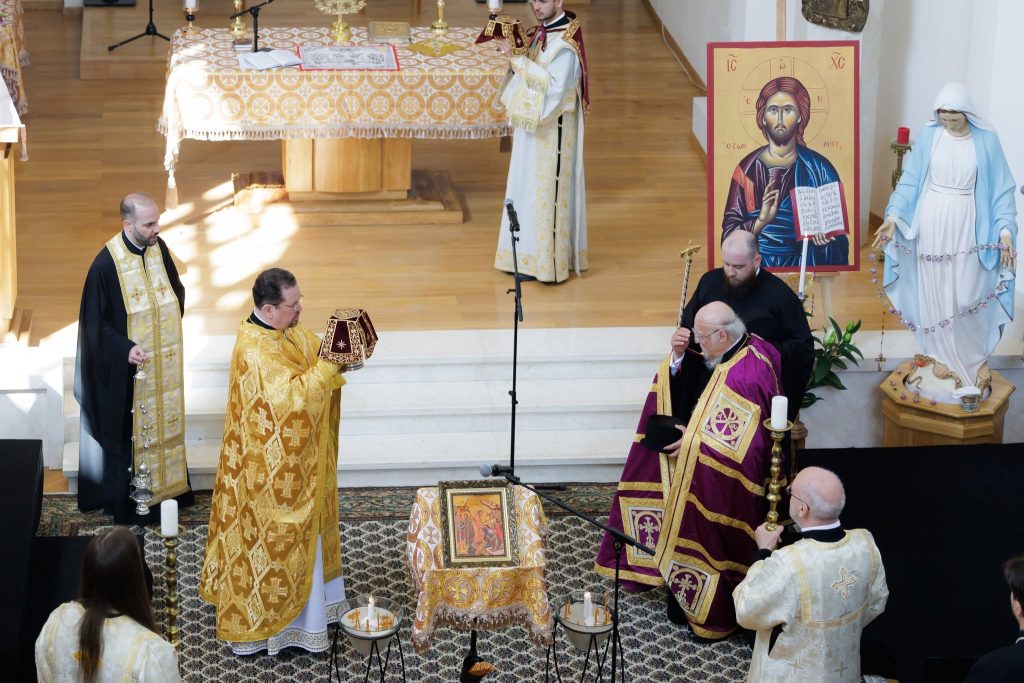
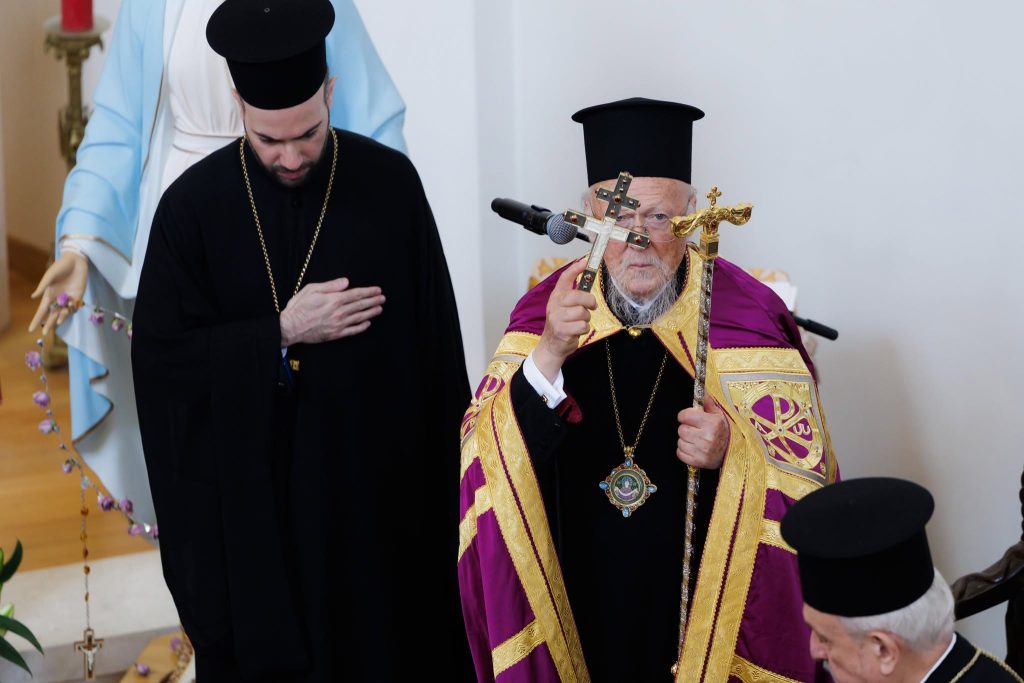
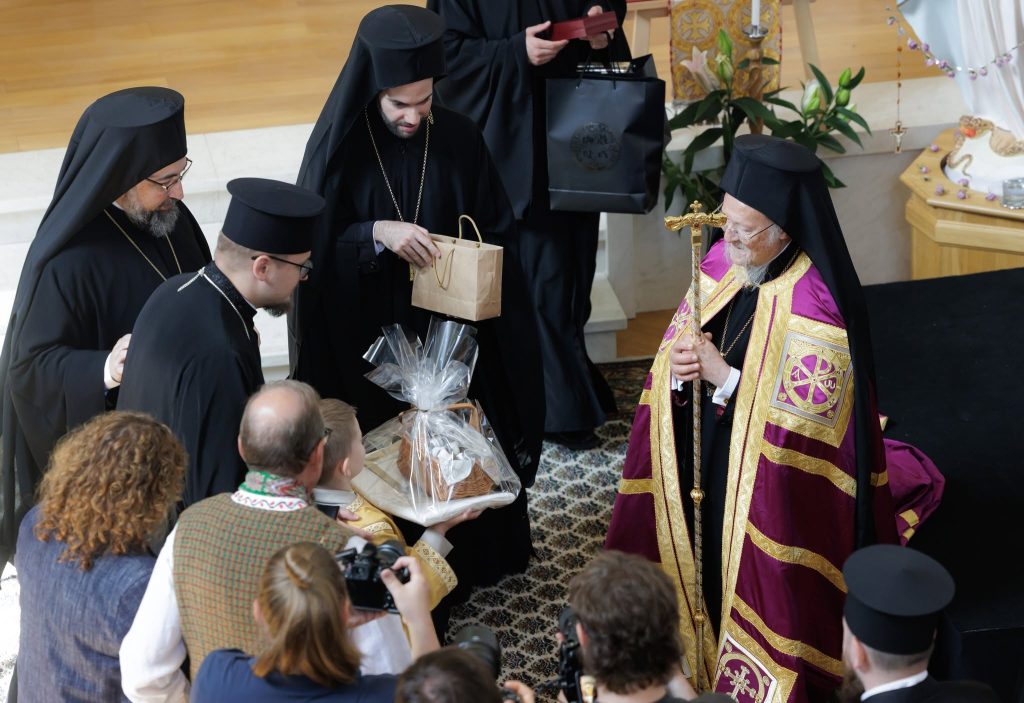
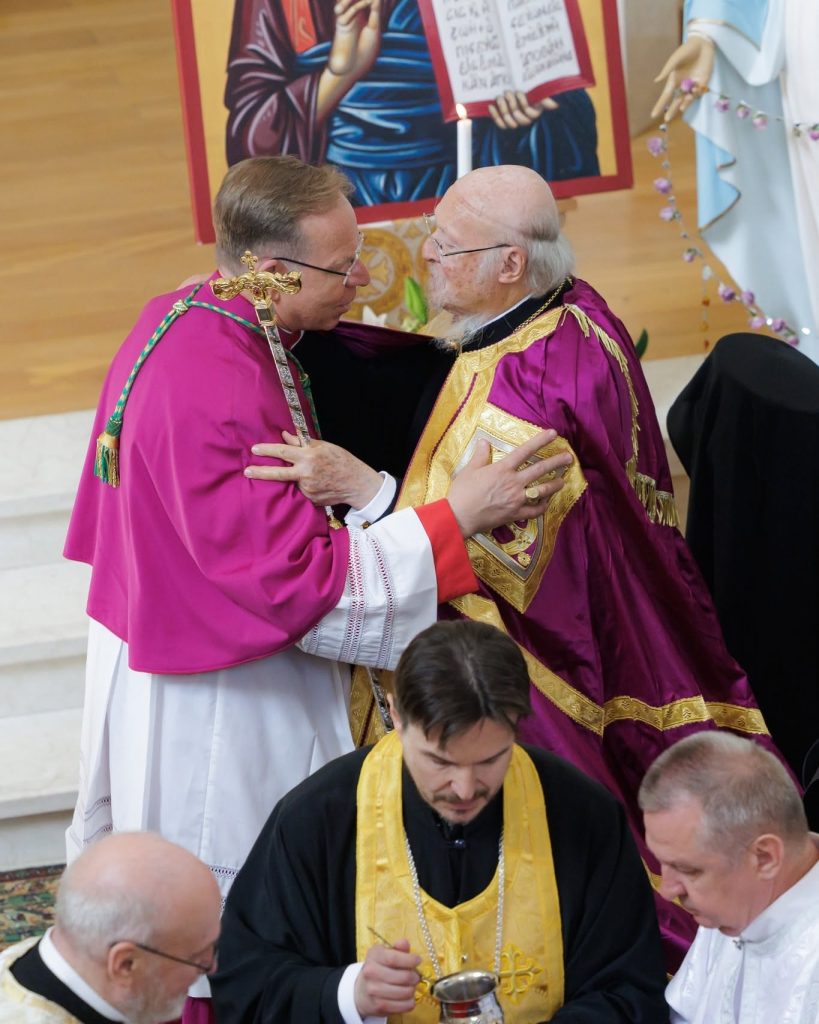
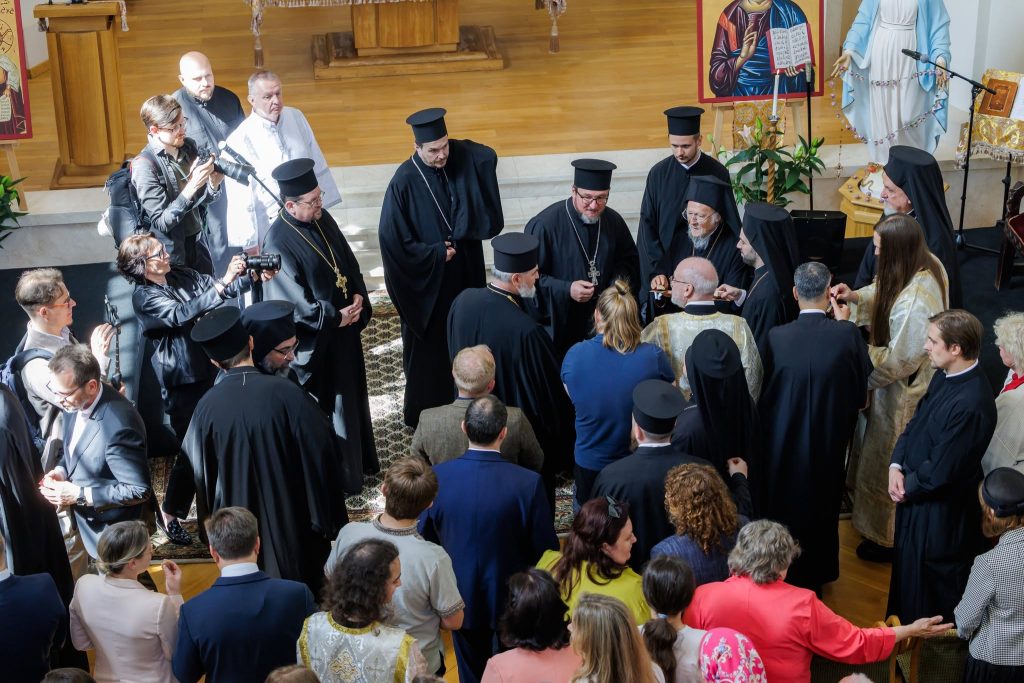
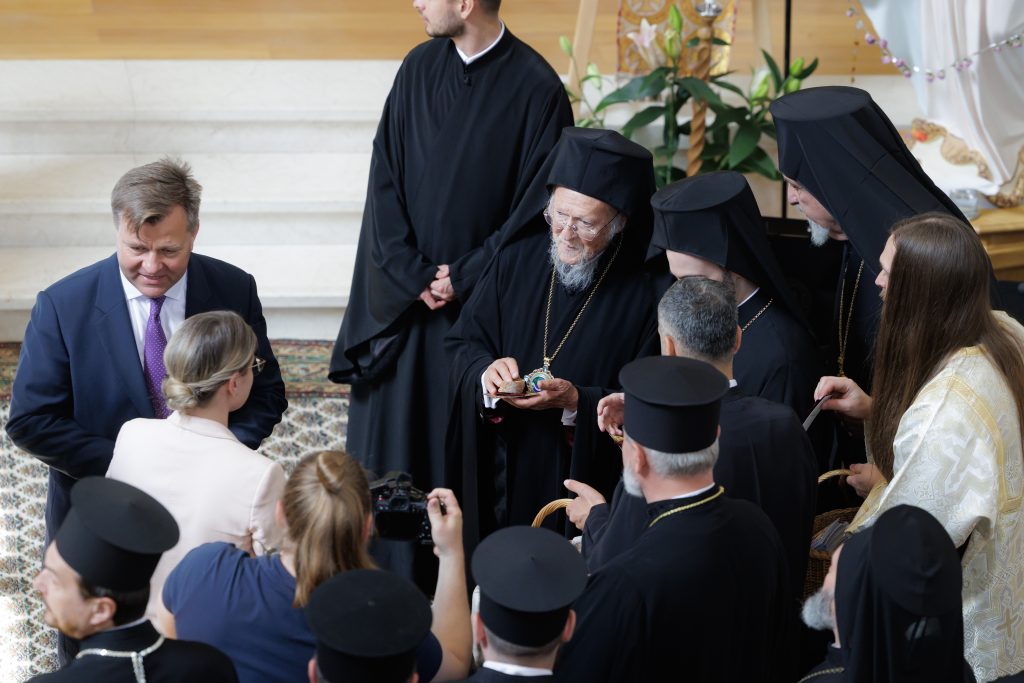
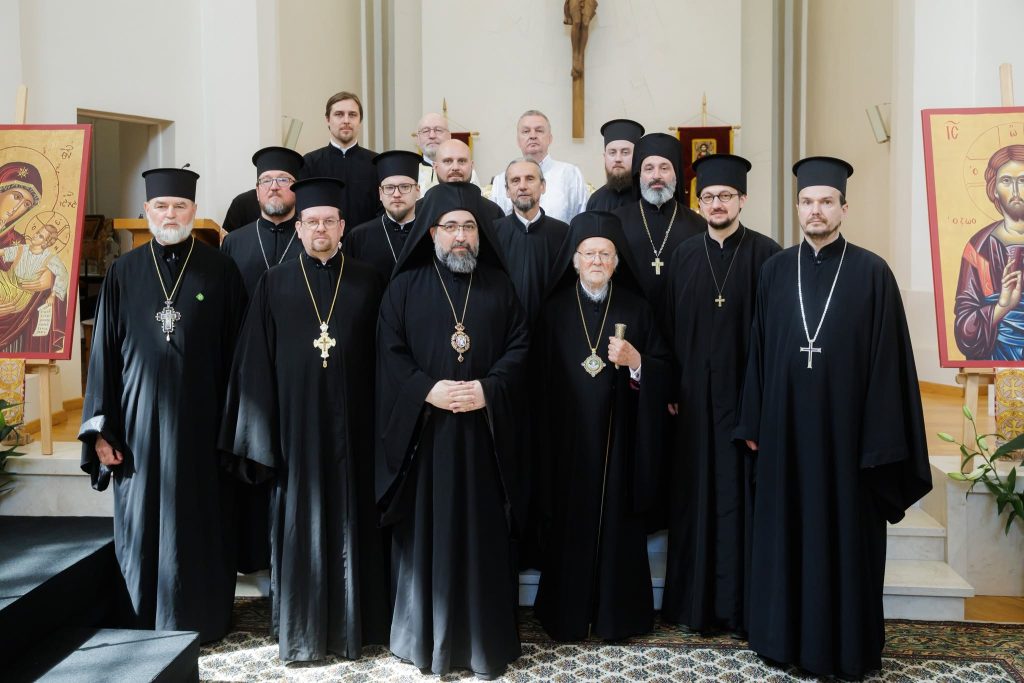
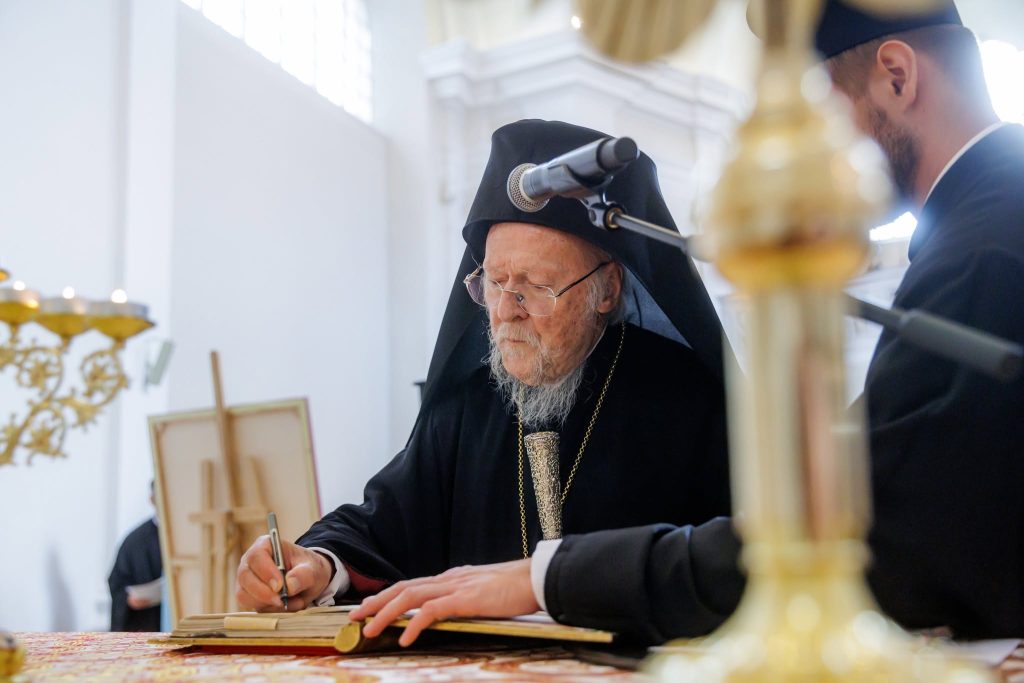
Ο Οικουμενικός Πατριάρχης κ.κ. Βαρθολομαίος πραγματοποιεί επίσημη επίσκεψη στη Λιθουανία και σήμερα, Κυριακή 7 Ιουνίου 2026, των Αγίων Πάντων, χοροστάτησε κατά την Θ. Λειτουργία που τελέστηκε στον Ι. Ναό Αγίας Τριάδος, στην πρωτεύουσα Βίλνιους, με τη συμμετοχή εκατοντάδων πιστών.
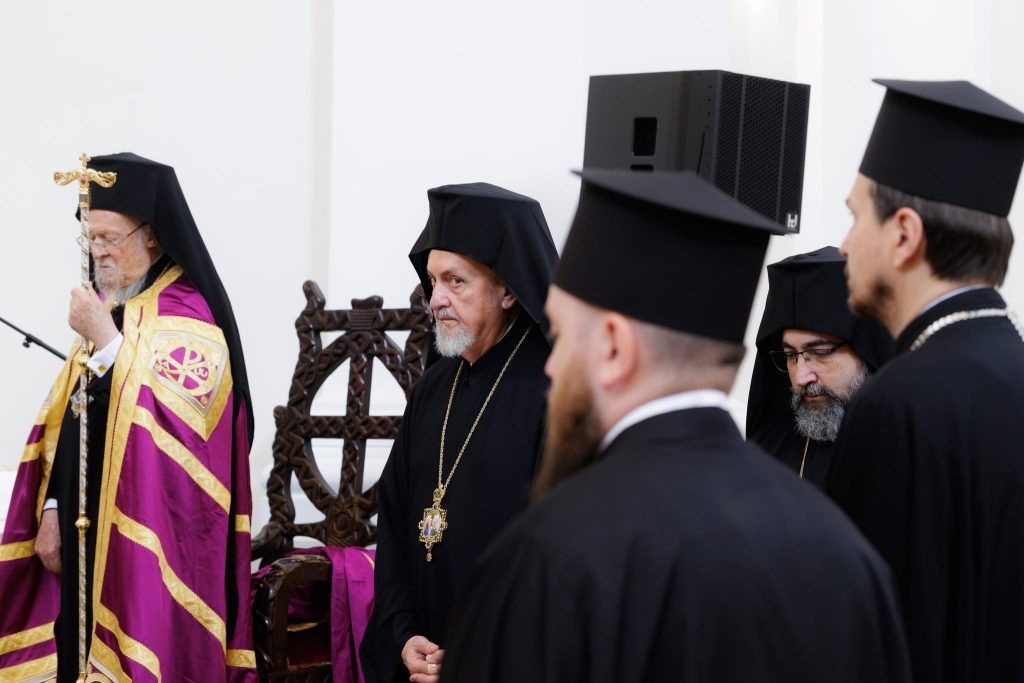
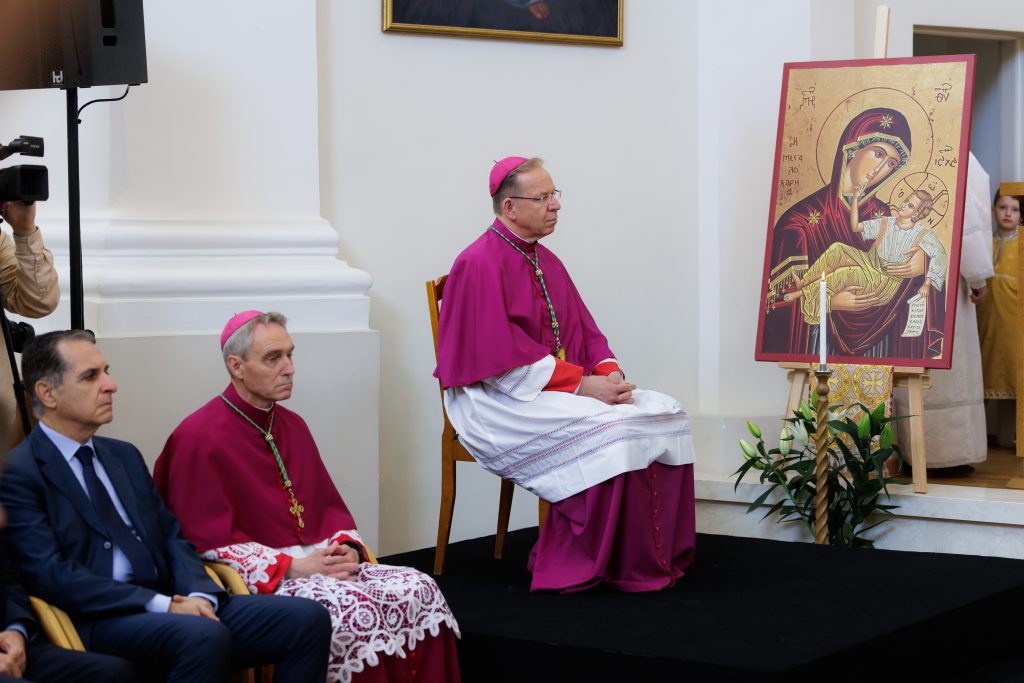
Στην Θ. Λειτουργία παρέστησαν: ο Σεβ. ΡΚαθολικός Αρχιεπίσκοπος Βίλνιους κ. Gintaras Grušas, ο Αποστολικός Νούντσιος Αρχιεπίσκοπος Georg Gänswein, ο Πρέσβης της Ελλάδος Γρηγόρης Καραχάλιος, οι Πρέσβεις της Ρουμανίας και της Μολδαβίας, Αντιπρόσωπος της Πρεσβείας της Ουκρανίας, Εκπρόσωποι της Ευαγγελικής Λουθηρανικής Εκκλησίας και άλλοι εκπρόσωποι του διπλωματικού σώματος, του κράτους, κοινωνικών φορέων και θρησκευτικών κοινοτήτων.
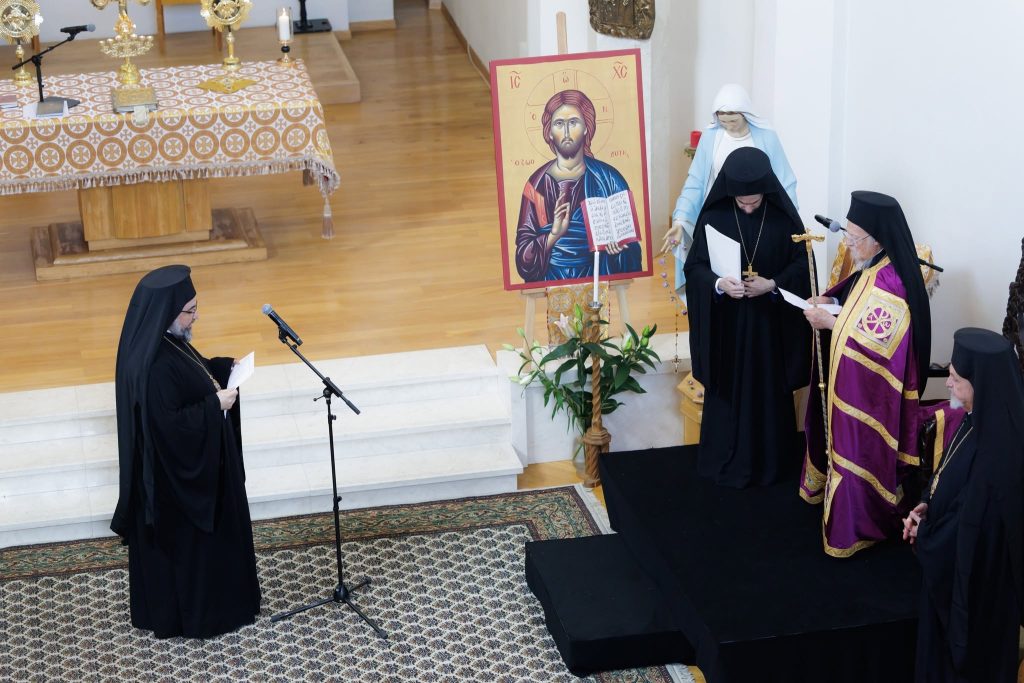
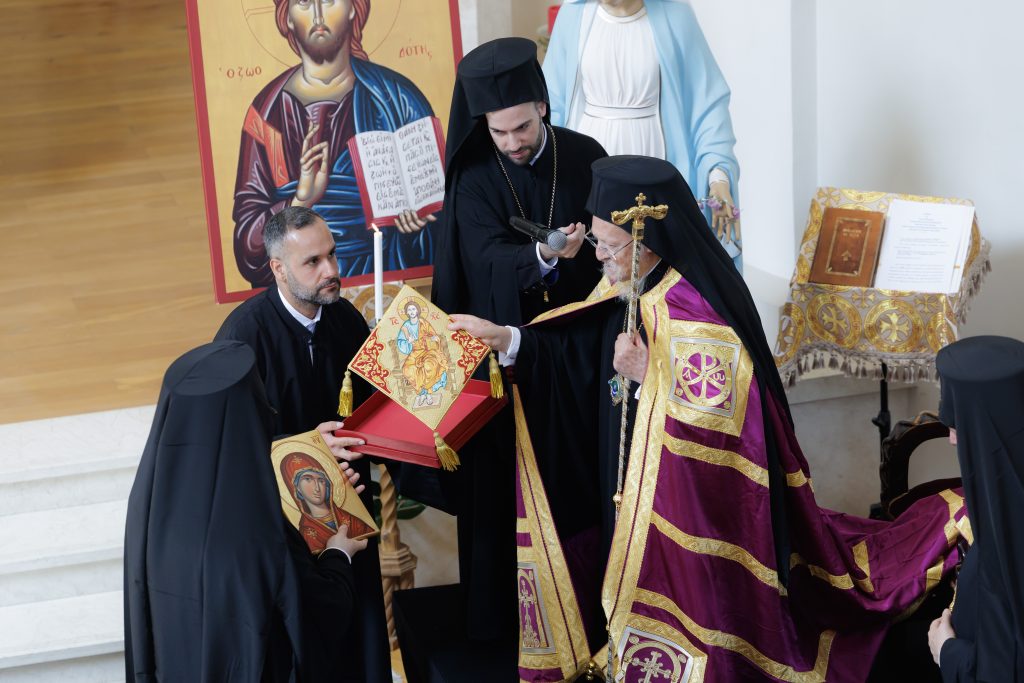
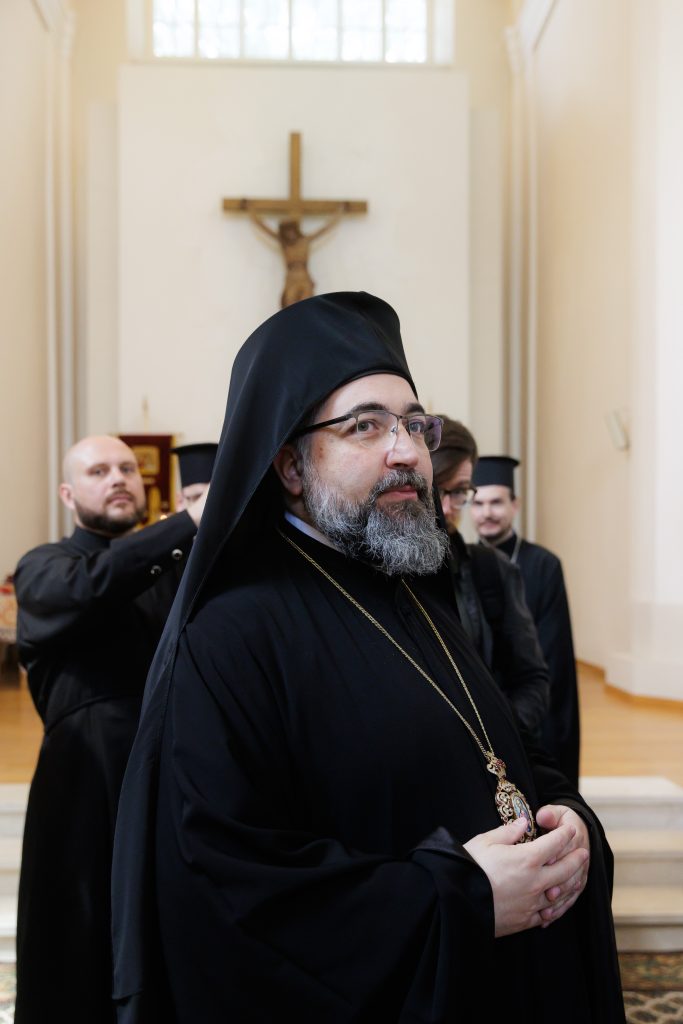
Στο κήρυγμά του ο Οικουμενικός Πατριάρχης παρουσίασε στους πιστούς τον νέο Έξαρχο, Θεοφιλέστατο Επίσκοπο Ταμισού κ. Πανάρετο, ο οποίος και προσφώνησε τον Πατριάρχη.
Στην ομιλία του ο Παναγιώτατος αναφέρθηκε στην απόφαση της Μητρός Εκκλησίας να ορίσει τον Επίσκοπο Ταμισού κ. Πανάρετο ως Πατριαρχικό Έξαρχο στη Λιθουανία, τον οποίο και εγκατέστησε επισήμως με την ευκαιρία της χοροστασίας του.
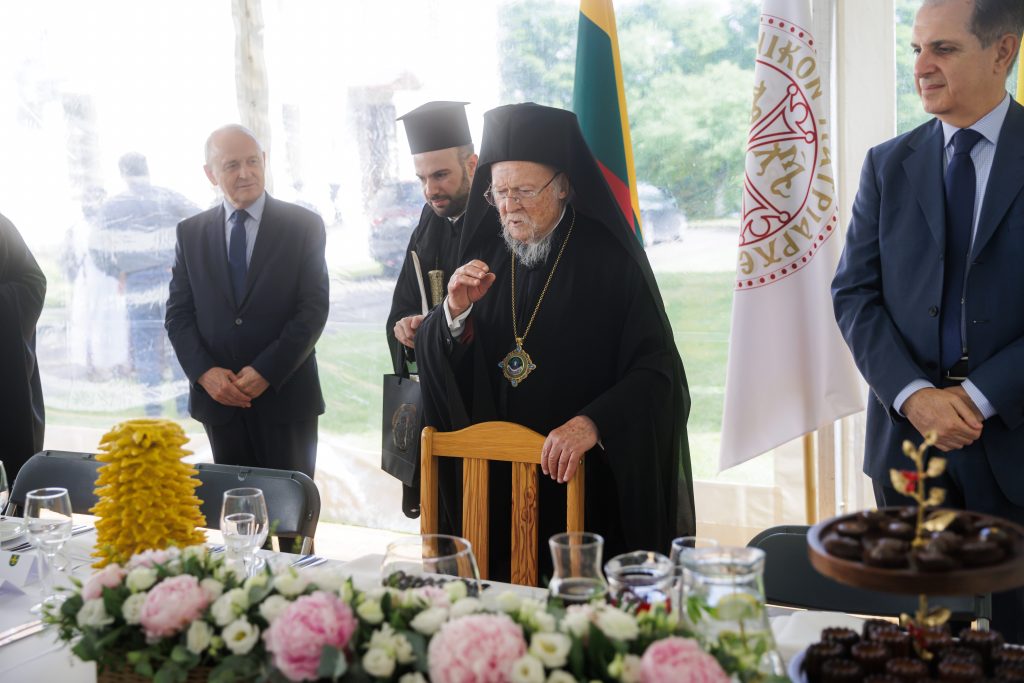
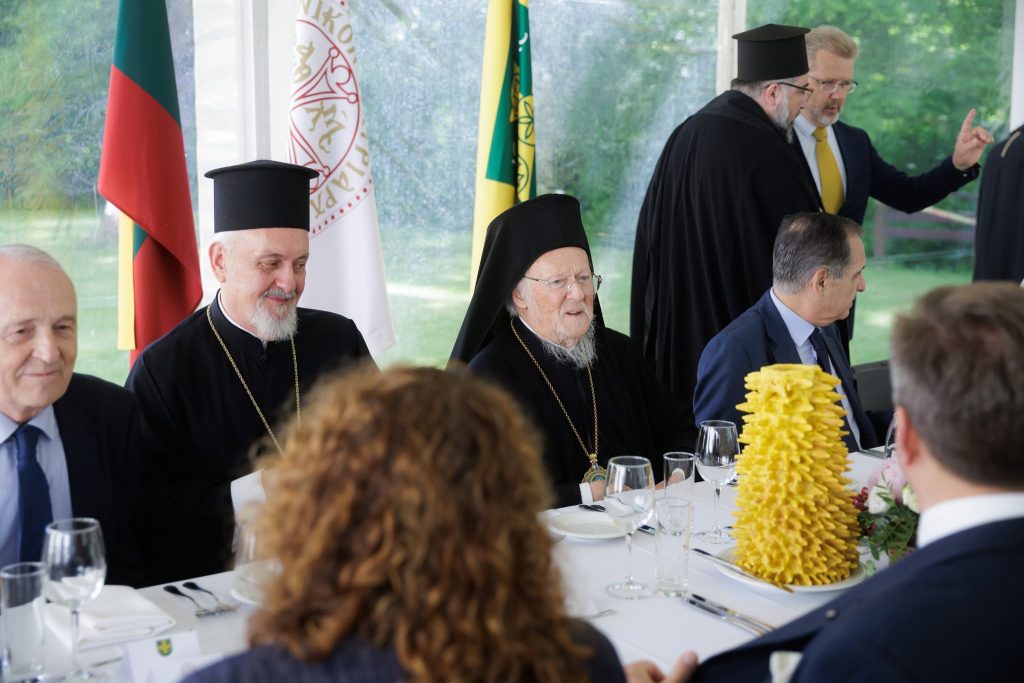
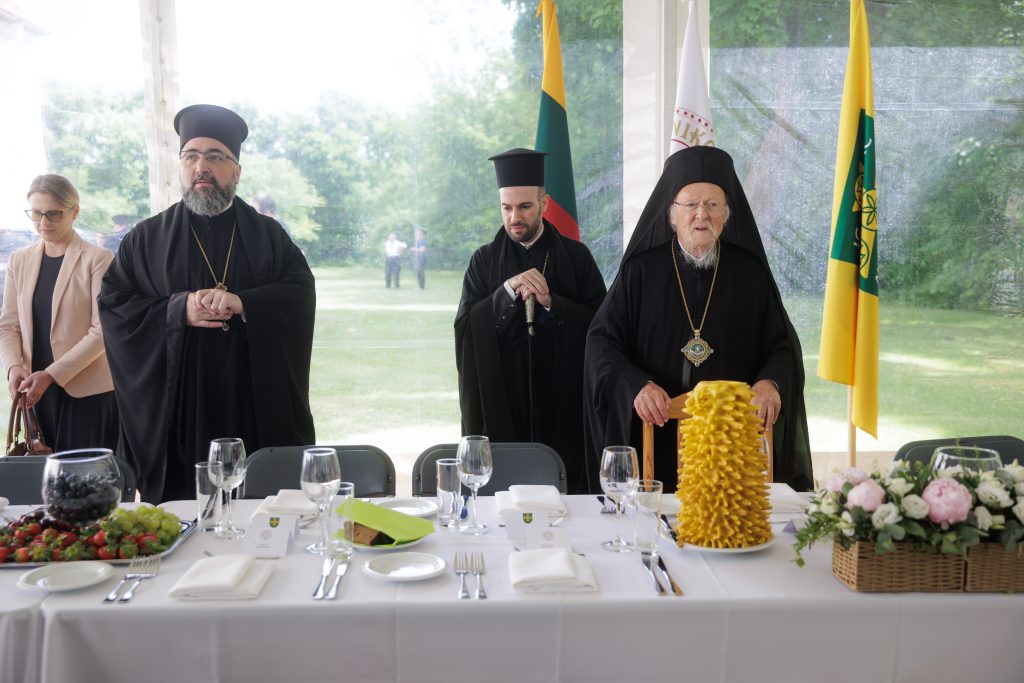
Εν συνεχεία, ο Παναγιώτατος ευλόγησε την εόρτιο τράπεζα της Κοινότητας.
Το απόγευμα της ίδιας ημέρας, ο Παναγιώτατος, με την τιμία συνοδεία του, πραγματοποίησε εθιμοτυπικές επισκέψεις στις Πρεσβείες της Τουρκίας και της Ελλάδος, όπου τον υποδέχθηκαν με εγκαρδιότητα οι Εξοχ. Πρέσβεις κυρία Esra Toplu και κ. Γρηγόριος Καραχάλιος.
Το βράδυ παρεκάθησε σε επίσημο δείπνο που παρέθεσε προς τιμήν του ο Σεβ. ΡΚαθολικός Αρχιεπίσκοπος Βίλνιους, στην Αρχιεπισκοπική κατοικία, με τη συμμετοχή των ΡΚαθολικών Επισκόπων της χώρας και του Νουντσίου.
Ο Παναγιώτατος, συνοδεύεται από τον Σεβ. Μητροπολίτη Γέροντα Χαλκηδόνος κ. Εμμανουήλ, τον νέο Έξαρχο του Οικουμενικού Πατριαρχείου στη Λιθουανία, Θεοφιλ. Επίσκοπο Ταμισού κ. Πανάρετο, τον Πανοσιολ. Μ. Εκκλησιάρχη κ. Αέτιο, Διευθυντή του Ιδιαιτέρου Πατριαρχικού Γραφείου, και τον Τριτεύοντα κ. Επιφάνιο.
Παραθέτουμε τις ομιλίες στα λιθουανικά και στα αγγλικά.
Jo Šventenybės Visuotinio Patriarcho Baltramiejaus kreipimasis po Dieviškosios Liturgijos Lietuvos egzarchato parapijoje Vilniuje
(Visų Šventųjų sekmadienis, 2026 m. birželio 7 d.)
Jūsų Eminencija Chalkedono metropolite Emanueli,
Jūsų Ekscelencija Tamiso vyskupe Panaretai, Patriarcho egzarche Lietuvoje,
didžiai gerbiami pasaulietinės valdžios atstovai,
gerbiamieji dvasininkai,
mylimieji vaikai Viešpatyje,
Iš garbingojo Ortodoksijos centro — mūsų Šventojo Fanaro — siunčiame jums visiems meilę ir nuolatinį rūpestį. Juos skiriame šiai svetingai žemei, giliai paženklintai pamaldžios joje gyvenančios tautos prigimtinio kilnumo ir atviros širdies. Ši tauta, nepaisydama negailestingos ir dažnai viską sulyginančios laiko tėkmės, liudija didelę vidinę ištvermę, kurios nepalaužė istorijos išbandymai. Ir ši ištvermė, gal ir netikėtai pašaliečiui, jungia ją su viso pasaulio krikščionių ortodoksų širdimis. Motina Konstantinopolio Bažnyčia nenutrūkstamai eina siauru kryžiaus keliu, nepažeistą Pirmojo pašauktojo apaštalo Andriejaus paveldą skleisdama iki pat pasaulio pakraščių, pro sudaužomas uolas. Šios dienos Evangelijos skaitinys tikroviškai, kartais net nepakeliamai griežtai primena mums šį audringą istorinį kelią, išsklaidydamas kiekvieną paslėptą religinio pasitenkinimo savimi polinkį ir kiekvieną žmogišką troškimą rasti lengvą dvasinę paguodą: „Kas išpažins mane žmonių akivaizdoje, ir aš jį išpažinsiu savo dangiškojo Tėvo akivaizdoje“ (Mt 10, 32).
Viešpaties vardo išpažinimas pranoksta lengvas proto prielaidas ir tampa esminiu pamatu, iškiliu bažnytiniu veiksmu. Ant savo pečių nešdami sunkią Didžiosios Kristaus Bažnyčios tradiciją, mes galbūt geriau negu kas nors kitas pažįstame kančią, išgyvenamą liudijant valdovų ir pasaulio dvasios akivaizdoje. Visuotinis Patriarchatas jau daugelį amžių liudija tiesą, kantriai pakeldamas laikų patyčias. Tačiau jis atkakliai atsisako nuleisti tikėjimo vėliavą vien tam, kad pelnytų kelias laikinas žemiškas paguodas. Tokiam liudijimui reikalinga sielos tvirtybė, peržengianti siauras žmogiškojo gyvenimo ribas. Tai visiška savosios valios tyla slėpinio akivaizdoje; šuolis į tuštumą be apsauginio tinklo. Todėl šventojo evangelisto kalba ir lieka sąmoningai griežta tikinčiajam, kuris kasdien ieško saugumo.
Viešpats reikalauja peržengti šeimos meilės duotybę naujoje, galutinėje tikrovėje: „Kas myli tėvą ar motiną labiau negu mane – nevertas manęs. Kas myli sūnų ar dukterį labiau negu mane – nevertas manęs“ (Mt 10, 37). Kristus reikalauja absoliučios, jokių derybų nepripažįstančios ištikimybės Jam. Ir taip žmogus lieka nuogas, atviras, netekęs kiekvienos žemiškos apsaugos dieviškosios įsūnystės didybės akivaizdoje. Pripažinkime: būtent taip nutinka išbandymų valandą, kai sugriūva mūsų tikrumo atramos ir privalome kalbėti tiesą.
Svorio centras dabar neišvengiamai yra šiuose žodžiuose: „Kas neima savo kryžiaus ir neseka paskui mane, nevertas manęs“ (Mt 10, 38). Staiga, be jokio pereinamojo laiko, iš teorinio pritarimo srities pereiname į praktinį, kūnišką ir kasdienį dalyvavimą Dievažmogio kančioje. Čia galime prisiminti, kaip senovės asketai žvelgė į tokius Evangelijos reikalavimus. Rytų mąstymas, visada linkęs į simbolį, dažnai pasitelkia kraštutinę kalbą tam, kad parodytų absoliučią Nesukurtojo viršenybę ir visa pranokstančią Kūrėjo meilę žmogaus galimybių akivaizdoje.
Šiame vertikaliame egzistencinio nuogumo svaigulyje pasigirsta Petro balsas. Persmelktas nerimo dėl visko, kas palikta, jis išreiškia ir mumyse pačiuose giliai įsišaknijusį kasdienį dvejojimą: „Štai mes viską palikome ir sekėme paskui tave. Kas mums bus už tai?“ (Mt 19, 27). Atlygis, kurį pažada Kristus, akimirksniu panaikina siaurą žmogiškų mainų logiką — davimo ir gavimo logiką, kuri taip dažnai valdo mūsų santykius. Jis pažada šimteriopą atlygį jau šiame gyvenime ir amžinojo gyvenimo paveldą ten, kur žmogiški vertinimai griūva su trenksmu ir „daugelis pirmųjų bus paskutiniai, o paskutiniai — pirmi“ (Mt 19, 30).
Dievo Karalystė apčiuopiamai apsireiškia kaip visiškai nauja buvimo vieta, galutinai panaikinanti pasaulietinės galios ir prigimtinės viršenybės matmenis. Atsiskyrimo nuo mylimų žmonių skausmas, kurį tikintysis patiria dėl Evangelijos, organiškai, beveik alchemiškai, perkeičiamas į nesukurtąją malonę, įskiepijančią jį į platesnę Bažnyčios šeimą — į brolybę, kuri apglėbia tautas ir nepaliaujamai patvirtina sukrečiantį apaštalo žodį: „Nebėra nei žydo, nei graiko; nebėra nei vergo, nei laisvojo“ (Gal 3, 28).
Mūsų naujai paskirtasis Patriarcho egzarchas Lietuvoje yra pašauktas įkūnyti būtent šią reiklią aukos ir liturginės vienybės ekleziologiją. Garbingasis Tamiso vyskupas Panaretas prisiima sunkią ir prasmingą tarnystę. Šio išrinktojo Visuotinio Sosto hierarcho misija visiškai atitinka istorinę Motinos Bažnyčios pareigą: ji nepaliaujamai rūpinasi vargstančiais ortodoksais, teikdama jiems dvasinį maistą, kad ir kur jie būtų.
Jo Ekscelencija daugelį metų tarnavo Šventajame Centre, Miestų Karalienės sienose. Jis tyliai, kasdien ir vaisingai atsidavė Konstantinopolio pastoracinei tarnystei tarp slavakalbių krikščionių, kurdamas gilius ir ilgalaikius ryšius. Gilus, kokybiškas rusų kalbos pažinimas, taip pat gebėjimas šventąsias pamaldas atlikti senąja liturgine slavų kalba ir pagal slavišką Tipikoną, tampa paguodos tiltu ir bendrystės kanalu daugiakalbei, giliai sužeistai Baltijos kraštų kaimenei.
Gyvename — neapgaudinėkime savęs — išskirtinai niūriomis dienomis, kai dažnai, rodos, išsenka pats protas. Kenčiantys žmonės, ištisos mūsų brolių ir seserų pabėgėlių minios, neramiai bėga į šią svetingą žemę iš kraujuojančios Ukrainos ir kitų išbandymus patiriančių slavakalbių kraštų, mėgindami ištrūkti iš absurdo sūkurio. Savo kūnuose, žvilgsniuose ir tyloje jie nešiojasi neišdildomas smurtinio išrovimo, kraštutinio netikrumo ir akistatos su mirtimi žymes. Jie neramiai ieško duonos kąsnio — taikos duonos — ir vietos, kur galėtų saugiai sustoti.
Jie tikisi išvysti tikro dvasinio tėvo, o ne tolimo administratoriaus veidą; Aukščiausiojo tarno, kuris pasilenktų prie jų kančios, išklausytų jų nebylų, susikaupusį skausmą ir tartų gydantį paguodos žodį jų protėvių kalba — taip, kaip siela geriausiai supranta. Visuotinis Patriarchatas ištiesia jiems meilės kupiną glėbį tokiu platumu, kokį jam liepia jo šimtmečių tradicija. Jis patiki savo egzarchą šiems kenčiantiems žmonėms, kad šis ganytų jam patikėtus žmones su didele išmintimi ir kantrybe. Niūriuose pabėgėlių veiduose jis nepaliaujamai atpažįsta kenčiantį, nukryžiuotą paties Viešpaties Kristaus Kūną. Jis tikrovėje keliauja kartu su tais, kurie patiria persekiojimo skausmą, visada turėdamas kaip kompasą Viešpaties paraginimą: „Jei persekiojo mane, tai ir jus persekios“ (Jn 15, 20).
Tikras ir išskirtinai jautrus Didžiosios Bažnyčios vaikas, pamaldžiai maitintas tyrais Fanaro pamaldumo šaltiniais, vyskupas Panaretas išsaugo šią visuotinę sąmonę. Tai atvira sąmonė, kuri nuo pirmųjų jo kunigiškojo kelio žingsnių laikosi atokiai nuo nacionalistinių atskirčių ir nevaisingų tautinių užsidarymų, saugodama nederybinį sūnišką atsidavimą Apaštaliniam Visuotiniam Sostui.
Jo nuolanki tarnystė Lietuvoje nėra parodomoji: ji sąmoningai atsisako bet kokio pasaulietinio savęs primetimo ar galios siekio. Jos šventas tikslas yra vienas — tyliai gydyti sužeistas sielas. Taip jis stoja į ilgą ir nenutrūkstamą dvasinio vynuogyno darbininkų eilę — į eilę tų, kurie, eidami prieš savo laiko srovę, noriai atidavė savo gyvenimą ir siaurą kryžiaus kelią perkeitė į gyvybę teikiančią patirtį, į šviesų kelią jiems patikėtai kaimenei.
Šis visiškas atsidavimas tarnystei, vykstančiai sunkiame kankinystės šešėlyje, nuo pat pradžių išsklaido bet kokias pavojingas istorinių triumfų iliuzijas ir žemiškos galios vizijas. Kasdienio išpažinimo našta, žvelgiant siaubui tiesiai į akis, nuolat susiduria su sunkiomis dilemomis, kurias žmogaus istorija nepaliaujamai kelia ir kurios skausmingai paliečia pačią žmogiškosios egzistencijos gelmę.
Kiekviename sąmoningame žingsnyje ši tarnystė reikalauja didelės savanoriško savęs atsižadėjimo kainos. Būtent ten — ant šiurkštaus, atplaišų kupino asmeninės aukos medžio, toje visiško beginkliškumo būsenoje, kurioje žmogus lieka nuogas ir atviras neišmatuojamam Dievo tylos slėpiniui — siela paragauja dieviškosios meilės pilnatvės.
AXIOS!
Address by His All-Holiness Ecumenical Patriarch Bartholomew after the Divine Liturgy at the Church of the Patriarchal Exarchate in Vilnius (Sunday of All Saints, 7 June 2026)
Your Eminence Metropolitan Emmanuel of Chalcedon,
Your Grace Bishop Panaretos of Tamisos, Patriarchal Exarch in Lithuania,
Most Honourable representatives of the civil Authorities,
Reverend clergy,
Beloved children in the Lord,
We convey to all of you the affection and continuous care from the august Centre of Orthodoxy, our Sacred Phanar, to a hospitable place, deeply sculpted by the unforced nobility and spontaneous openness of its pious people. A people bears witness, amidst the relentless and often levelling passage of time, to the endurance of history itself. An inner endurance which resounds, rather unexpectedly for cold observers, with the exact same pulse of the Orthodox Christians around the world. The Mother Church of Constantinople walks uninterruptedly the narrow path of the cross, carrying intact the legacy of the Apostle Andrew the First Called unto the ends of the world, through clashing rocks. Today’s Gospel reading comes to remind us of this tumultuous historical path, in a realistic, at times unbearably heavy manner, abruptly interrupting every latent tendency toward religious complacency, every human need for spiritual comfort: “Whosoever shall confess me before men, him will I confess also before my Father which is in heaven” (Matt. 10:32).
The confession of the name of the Lord transcends easy intellectual assumptions, is transformed into an essential foundation, into a pre-eminently ecclesiological act. Bearing upon our shoulders the heavy tradition of the Great Church of Christ, we know perhaps more fully than anyone the precise agony wrapped up in the bearing of witness before rulers and the worldly mind. The Ecumenical Patriarchate for centuries now witnesses to the truth, enduring patiently the mockery of the times. It stubbornly refuses, however, to fold the banner of the faith in order to buy a few ephemeral, conventional comforts, as there is required a fortitude of soul that abolishes narrow biological limits, a total emptying of one’s own will before the mystery, a plunge into the void without a safety net, with the language of the holy Evangelist remaining intentionally harsh for the believer who seeks daily security.
The Lord demands the transcendence of the givens of family affection within the new, final reality: “He that loveth father or mother more than me is not worthy of me: and he that loveth son or daughter more than me is not worthy of me” (Matt. 10:37). Christ introduces an absolute, non-negotiable attachment to Him, leaving man naked, exposed, divested of every earthly protective support before the grandeur of divine adoption. The centre of gravity shifts now inescapably with the phrase “And he that taketh not his cross, and followeth after me, is not worthy of me” (Matt. 10:38). We pass violently, without any period of grace, from the sphere of theoretical acceptance to the practical, the fleshly and daily participation in the passion of the God-man. One remembers here how the ancient ascetics viewed these excesses. Eastern thought, always inclining toward symbolism, frequently enlists linguistic extremity, in order to demonstrate the absolute supremacy of the uncreated, the sweeping love of the Creator over against human capacities. Upon this vertical vertigo of existential nakedness, the voice of Peter emerges. Heavily charged with the anxiety of abandonment, it conveys our own deeply rooted, our daily hesitation: “Behold, we have forsaken all, and followed thee; what shall we have therefore?” (Matt. 10:27). The recompense that Christ promises abolishes instantly the narrow commercial logic of human transactions, the logic of give and take that governs our relationships. He offers the receiving of an hundredfold within history and the inheritance of everlasting life, there where human appraisals collapse with a crash and “many that are first shall be last; and the last shall be first” (Matt. 10:30). The kingdom of God is manifested palpably as an entirely new place of existence, definitively dissolving the scales of worldly power and biological imposition. The pain of separation from beloved persons, which the believer undergoes for the sake of the gospel, is organic-like, almost alchemically, transmuted into uncreated grace, grafting him into the wider family of the Church. A brotherhood that embraces the nations, ceaselessly confirming the shattering apostolic declaration: “There is neither Jew nor Greek, there is neither bond nor free” (Gal. 3:28).
Our newly-installed Patriarchal Exarch is called, within the wider geographical landscape of Lithuania, to embody precisely this demanding ecclesiology of sacrifice and liturgical unity. The Right Reverend Bishop Panaretos of Tamisos assumes a heavy duty, a work of substance. The mission of this chosen Hierarch of the Ecumenical Throne corresponds fully to the historical duty of the Mother Church. She cares unceasingly, offering spiritual nourishment of Orthodox in distress, wherever they may be. His Grace served for a number of years the Sacred Centre within the walls of the Queen of Cities. He spent himself, quietly, daily, and fruitfully, in the pastoral care of the Slavic-speaking Christians of Constantinople, building relationships of a lifetime. The organic, the in-depth knowledge of the Russian language which he possesses, together with the performance of the sacred services in ancient liturgical Slavonic language and Typikon, create a bridge of consolation, a conduit of communication for the multilingual, the deeply wounded flock of the Baltic.
We live, let us not deceive ourselves, in exceptionally bleak days, days when reason frequently runs dry. Suffering people, entire crowds of our refugee brothers and sisters flee anxiously to this hospitable soil from bleeding Ukraine and from other tried Slavic-speaking regions, trying to escape from the vortex of the absurd. They carry upon their flesh, engraved in their very gaze, in their silence, the indelible marks of violent uprooting, of extreme uncertainty, of stark death. They seek anxiously a piece of bread, the bread of peace, a corner to stand. They expect to behold the face of a genuine spiritual father, not of a distant administrator, of a minister of the Most High who will bend beside them to the ground, will listen to their mute, their accumulated pain, offering the healing word of comfort in their ancestral expression, there where the soul understands best. The Ecumenical Patriarchate extends its affectionate embrace with all the spaciousness that its centuries-old tradition dictates. It delivers its Exarch to these afflicted people to shepherd them with much prudence and longsuffering. It recognizes unceasingly in the somber faces of the refugees the suffering, the crucified body of the Lord Jesus Christ Himself. It journeys practically with those who undergo the pain of persecution, having always as a compass the exhortation: “If they have persecuted me, they will also persecute you” (John 15:20).
A genuine, exceptionally sensitive child of the Great Church, piously nourished on the pure streams of Phanar piety, Bishop Panaretos preserves intact this ecumenical consciousness. A consciousness open, which stands from the first steps of his priestly course away from nationalist exclusions and sterile racial entrenchments, guarding an unnegotiable filial devotion toward the Apostolic Ecumenical Throne. The unostentatious form of his humble ministry in Lithuania distances itself consciously from every effort at worldly imposition or power. A sacred purpose remains exclusively the quiet healing of wounded souls. It fits organically, you see, into the long, into the unbroken chain of the labourers of the noetic vineyard, who, against the current of their time, willingly spent their life and transformed the narrow way of the cross into a life-bearing experience, into a luminous path for the flock entrusted to them. This ultimate enlistment under the heavy shadow of martyrdom dissolves from the very first moment any dangerous illusions of historical triumphs, the visions of earthly power. The unbearable burden of daily confession, looking horror straight in the face, measures itself unceasingly against the hard dilemmas which human history produces mechanically and unstoppably, piercing, with intolerable pressure, the very joint of biological existence. It demands at every conscious step the total, the absolute price of voluntary deprivation, where the soul tastes the fullness of divine love exclusively there; there, upon the rugged, splinter-filled wood of personal sacrifice, in that completely defenceless condition, where the human person is left naked and absolutely exposed before the unfathomable mystery of the silence of God.
Jo Ekscelencijos Tamiso vyskupo Panareto kreipimasis į Jo Šventenybę patriarchą Baltramiejų I paskyrimo Lietuvos egzarchu proga
Jūsų Šventenybe,
„Viską Šventoji Dvasia teikia … Ji Bažnyčios sanklodą palaiko“ (šv. Sekminių Didžiosios vakarinės stichira)
Šiais Dievo įkvėptais giesmininko žodžiais, kurie atskleidžia Bažnyčios slėpinį kaip Švenčiausiosios Dvasios veikimą, šiandien su giliu jauduliu Lietuvos žemėje priimame Jūsų Šventenybę — pirmąjį tarp lygių, mūsų vadovą ir ganytoją, mūsų Visuotinį Patriarchą.
Jūsų buvimas tarp mūsų nėra vien tik oficialus vizitas ir nėra vien administracinis veiksmas. Tai yra dvasinis ir bažnytinis įvykis — įvykis, kuris susieja praeitį su dabartimi ir ateitimi, vietinę Bažnyčią su Motina Bažnyčia, šios šalies tikinčiuosius su Ortodoksijos Visuotiniu Centru. Tai įvykis, kuris liudija budrią ir nepailstančią Motinos Bažnyčios — Visuotinio Patriarchato — globą bei rūpestį dėl netrikdomo Bažnyčios gyvenimo ir jos sanklodos išsaugojimo.
Šventosios Sekminės nepanaikino tautų, neišnaikino kalbų, nesulygino tradicijų. Priešingai, jos viską apšvietė ir pašventino, kviesdamos visus į Kristaus Kūno vienybę. Šiai vienybei per amžius tarnauja Visuotinis Patriarchatas savo misijiniu uolumu ir budriu dvasiniu nusiteikimu skleisti tiesą. Kaip prieš daugybę amžių Patriarchatas darbavosi skleisdamas Evangeliją šiaurės tautoms, taip ir dabar rūpinasi šio tikėjimo išsaugojimu — ne pasaulietinės valdžios prievartinėmis priemonėmis, bet per meilės tarnystę. Ne viešpataudamas, bet nešdamas atsakomybės kryžių. Ne kaip privilegiją, bet kaip aukos ir tėvystės liudijimą.
Nuo senų laikų Motina Bažnyčia su meile lydi šio regiono tautų dvasinį kelią. Vilniaus šventųjų kankinių atminimas, Visuotinių Patriarchų rūpestis išsaugoti ortodoksų tikėjimą ir didžiųjų Visuotinių Patriarchų istorinės kelionės į šiaurinės Europos bei Rusios žemes liudija gilius mūsų šalies dvasinius ryšius su Visuotiniu Patriarchatu.
Ankstesniais amžiais Visuotiniai Patriarchai keliavo per šiuos kraštus, stiprindami tikinčiuosius ir palaikydami ortodoksiją. Šiandien, praėjus tiek daugeliui kartų, Visuotinis Patriarchas vėl yra čia — ne tam, kad ką nors gautų, bet tam, kad suteiktų Motinos Bažnyčios palaiminimą, meilę ir pastoracinį rūpestį.
Jūsų Šventenybe,
Jūsų buvimas Lietuvos ortodoksams yra stiprus liudijimas, kad Motina Bažnyčia nepamiršta savo vaikų. Šios šalies tikintieji — lietuviai, graikai, rusai, ukrainiečiai, baltarusiai ir kiti — šiandien jaučia, kad jie nėra vieni. Jie jaučia, kad turi dvasinius namus. Turi Motiną Bažnyčią. Turi Tėvą ir Patriarchą.
Ir taip yra todėl, kad Visuotinis Patriarchatas ateina ne skaldyti, bet vienyti. Jis ateina ne panaikinti asmenų ir tautų, bet vesti juos į Šventosios Dvasios bendrystę. Jis ateina gydyti tarnyste ir pastoraciniu rūpesčiu.
Jūsų asmenyje, Jūsų Šventenybe, Lietuvos ortodoksų tikintieji šiandien mato meilingą Motinos Bažnyčios buvimą — Bažnyčios, kuri nepamiršta nė vieno savo vaiko, kad ir kaip toli jis būtų.
Ypač naujai įsteigtam Egzarchatui Jūsų buvimas yra džiaugsmo, Guodėjo palaiminimo, vilties ir sustiprinimo šaltinis. Jūs teikiate drąsos dvasininkams, paguodos tikintiesiems, atveriate perspektyvą jaunimui ir teikiate visiems tikrumą, kad einame Motinos Bažnyčios globos saugomi.
Leiskite man išreikšti gilią mūsų visų padėką už Jūsų tėvišką rūpestį, už Jūsų neslūgstantį dėmesį ir už Jūsų pasiaukojančią tarnystę Šventajai Didžiajai Kristaus Bažnyčiai.
Meldžiamės, kad Švenčiausioji Dvasia, kuri „Bažnyčios sanklodą palaiko“, teiktų Jūsų Šventenybei sveikatą, stiprybę, dvasinį apšvietimą ir daug palaimintų metų — Dievo garbei ir Jo Kūno, Vienos, Šventos, Visuotinės ir Apaštalinės Bažnyčios, ugdymui.
Jūsų Šventenybe,
Tebūna Jūsų metai kuo ilgiausi, sveiki ir išganingi! Amen.
Sveiki atvykę, Jūsų Šventenybe!
Bishop Panaretos of Tamisos to His All-Holiness Patriarch Bartholomew I on the occasion of his appointment as Exarch of Lithuania
Your All-Holiness,
“The Holy Spirit provides all things… He holds together the whole institution of the Church”
(Sticheron from the Great Vespers of Holy Pentecost)
With these divinely inspired words of the hymnographer, which reveal the mystery of the Church as the work of the Most Holy Spirit, today, with deep emotion, we welcome Your All-Holiness on the soil of Lithuania — as the first among equals, our leader and shepherd, our Ecumenical Patriarch.
Your presence among us is not merely an official visit, nor merely an administrative act. It is a spiritual and ecclesiastical event — an event that links the past with the present and the future, the local Church with the Mother Church, the faithful of this country with the Ecumenical Centre of Orthodoxy. It is an event that bears witness to the vigilant and tireless protection and care of the Mother Church — the Ecumenical Patriarchate — for the undisturbed life of the Church and the preservation of Her institution.
Holy Pentecost did not abolish peoples, did not erase languages, did not level traditions. On the contrary, it illumined and sanctified all things, calling all into the unity of the Body of Christ. This unity has been served through the ages by the Ecumenical Patriarchate, with missionary zeal and a watchful spiritual disposition for the spreading of the truth. As many centuries ago the Patriarchate laboured to bring the Gospel to the peoples of the North, so now it cares for the preservation of this faith — not by coercive means of worldly power, but through the ministry of love. Not by domination, but by bearing the cross of responsibility. Not as a privilege, but as a witness of sacrifice and fatherhood.
Since ancient times, the Mother Church has lovingly accompanied the spiritual journey of the peoples of this region. The memory of the Holy Martyrs of Vilnius, the concern of the Ecumenical Patriarchs for the preservation of the Orthodox faith, and the historic journeys of great Ecumenical Patriarchs to the lands of Northern Europe and Rus’ bear witness to the deep spiritual bonds of our country with the Ecumenical Patriarchate.
In earlier centuries, Ecumenical Patriarchs travelled through these lands, strengthening the faithful and upholding Orthodoxy. Today, after so many generations, the Ecumenical Patriarch is once again here — not in order to receive anything, but in order to bestow the blessing, love, and pastoral care of the Mother Church.
Your All-Holiness,
Your presence is, for the Orthodox people of Lithuania, a powerful witness that the Mother Church does not forget her children. The faithful of this country — Lithuanians, Greeks, Russians, Ukrainians, Belarusians, and others — feel today that they are not alone. They feel that they have a spiritual home. They have a Mother Church. They have a Father and Patriarch.
And this is so because the Ecumenical Patriarchate comes not to divide, but to unite. It comes not to abolish persons and peoples, but to lead them into the communion of the Holy Spirit. It comes to heal through ministry and pastoral care.
In your person, Your All-Holiness, the Orthodox faithful of Lithuania today see the loving presence of the Mother Church — a Church that forgets none of her children, however far away they may be.
Especially for the newly established Exarchate, Your presence is a source of joy, of the blessing of the Comforter, of hope, and of strengthening. You give courage to the clergy, consolation to the faithful, open a perspective for the young, and grant everyone the certainty that we are walking under the protection of the Mother Church.
Allow me to express the deep gratitude of us all for your paternal care, for your unfailing attention, and for your sacrificial ministry to the Holy Great Church of Christ.
We pray that the Most Holy Spirit, who “sustains the institution of the Church,” may grant Your All-Holiness health, strength, spiritual illumination, and many blessed years — to the glory of God and for the edification of His Body, the One, Holy, Catholic, and Apostolic Church.
Your All-Holiness
May your years be many, healthy, and salvific! Amen.
Sveiki atvykę, Jūsų Šventenybe!