
Προσυνεδριακή εκδήλωση του Ινστιτούτου Ορθόδοξων Χριστιανικών Σπουδών (The Institute for Orthodox Christian Studies – Cambridge) του Κέιμπριτζ.
Την Παρασκευή, 14 Νοεμβρίου 2025, πραγματοποιήθηκαν δύο διαλέξεις με ομιλητές τον π. Augustin Viorel Coman, Δρα. Θεολογίας του Πανεπιστημίου KU Leuven από τη Ρουμανία (θέμα: Resourcing Fr Andre Scrima’s ecumenical vision – Πηγές του Οικουμενικού οράματος του π. Ανδρέα Σκρίμα) και τον Γεώργιο Βλαντή, Άρχοντα Ιερομνήμονα της Μ.τ.Χ.Ε., MTh Θεολογίας ΕΚΠΑ, Σύμβουλο επί θεμάτων οικουμενικού και διαθρησκειακού διαλόγου στην Καθολική επισκοπή του Augsburg, Συνεργάτη της Ακαδημίας Θεολογικών Σπουδών Βόλου (θέμα: Generosity and Structures: Orthodox Ecumenism between East and West – Γενναιοδωρία και Δομές: Η Ορθόδοξη Οικουμενική Κίνηση μεταξύ Ανατολής και Δύσης).
Αυτές οι προοιμιακές διαλέξεις, με ελεύθερη πρόσβαση, ασχολούνται με το θέμα που αποτελεί το επίκεντρο του συνεδρίου του Δεκεμβρίου: την εξερεύνηση νέων μοντέλων για την κατανόηση και την πρακτική εφαρμογή του Οικουμενικού διαλόγου – που περιλαμβάνουν ιστορικά και σύγχρονα παραδείγματα, θεολογικές εκκλησιολογικές και ποιμαντικές προσεγγίσεις, καθώς και την πνευματικότητα και τη μεθοδολογία.
Την εκδήλωση τίμησε με την παρουσία του ο μεγάλος Βρετανός ηθοποιός Σερ Ντέιβιντ Σουσέ (David Suchet), ο οποίος έχει ασπαστεί την πίστη των Αρχαίων Ανατολικών Εκκλησιών.
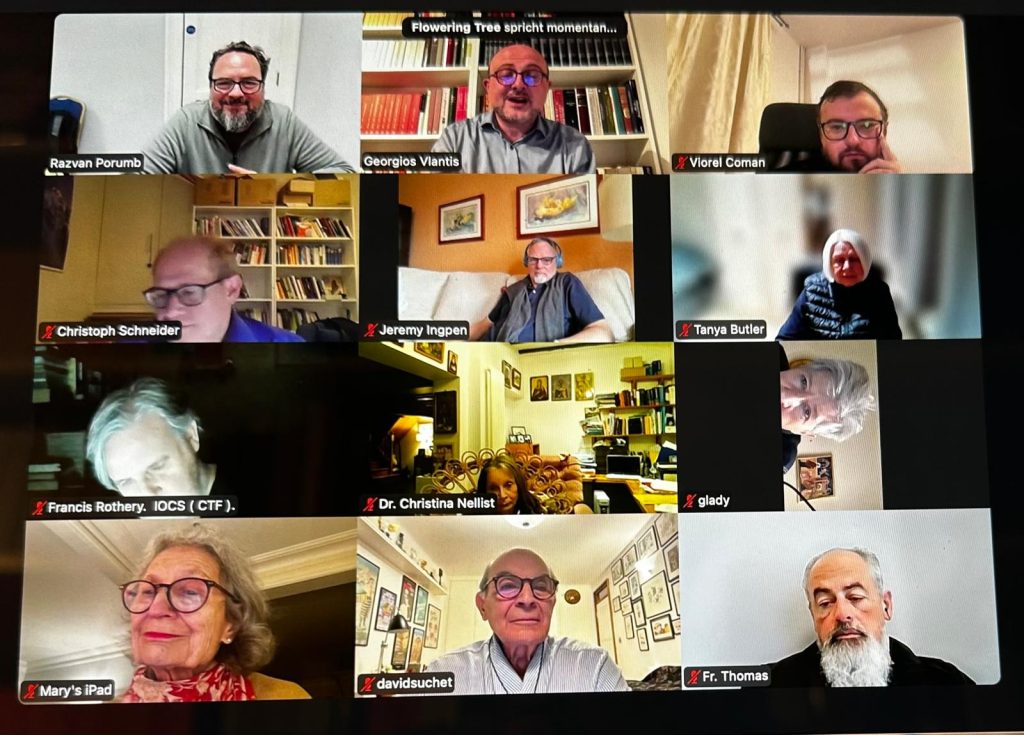
14 November – COUNTDOWN TO REBOOTING ECUMENISM: PROLOGUE SESSIONS, PART II
Revd Dr Augustin Viorel Coman – Resourcing Fr Andre Scrima’s ecumenical vision
Georgios Vlantis – Generosity and Structures: Orthodox Ecumenism between East and West
Revd Dr Augustin Viorel Coman is an assistant Professor at the Faculty of Orthodox Theology, University of Bucharest, and Coordinating Patriarchal Counsellor within the Department for Inter-Church and Inter-Religious Relations of the Romanian Orthodox Patriarchate. He is also a free research associate at the Faculty of Theology and Religious Studies, KU Leuven (Belgium). He is a member of the Research Unit Systematic Theology and the Study of Religions. Dr Coman is a former FWO senior and junior post-doctoral researcher at KU Leuven. His post-doctoral research projects explored (i) André Scrima’s contribution to the ecumenical turn in Orthodox-Catholic relationships (2020-2023) and (ii) the interaction between the Orthodox Neo-Patristic Movement and the French Catholic Ressourcement through the lens of Receptive Ecumenism (2017-2020).
Revd Dr Augustin Viorel Coman holds a Bachelor’s Degree in Theology from the University of Bucharest, Romania (2009), a Master’s Degree in Theology from the same University (2011), a Master’s Degree in Advanced Studies in Theology and Religion from KU Leuven (2012), and a Doctorate in Theology from KU Leuven (2016). His doctoral dissertation focused on Dumitru Stăniloae’s Trinitarian ecclesiology in the context of the Filioque debates. Further research interests include Trinitarian theology, ecclesiology, ecumenism, Orthodox-Catholic dialogue, modern Orthodox theology, and Dumitru Staniloae.
Georgios Vlantis is Archon of the Ecumenical Patriarchate, Advisor for Ecumenism and Interreligious Dialogue at the Roman Catholic Diocese of Augsburg (Germany) and Research Associate at the Volos Academy for Theological Studies (Greece). From 2016 to 2025 he was the Managing Director of the Council of Christian Churches in Bavaria. He studied theology and philosophy of religion in Athens and Munich. He has written several articles in the fields of philosophy of religion, history of theology and ecumenical theology in Greek, German, English and Italian, e.g. on negative theology, patristic perceptions of atheism, the reception of ecumenical documents, the Holy and Great Council of the Orthodox Church, Ukrainian autocephaly, Orthodox fundamentalism, Orthodoxy and modernity. He has also translated Karl Barth’s Epistle to the Romans (1922) in Greek. He is active in several ecumenical bodies in Germany and abroad (including as a member of the Pro Oriente Commission for Orthodox-Catholic Dialogue).
The prologue sessions, freely accessible online, address the very theme at the heart of the December conference: exploring new models for understanding and practising ecumenism—ranging from historical to contemporary paradigms, theological to ecclesiological and pastoral approaches, as well as from spirituality to methodology.